
On March 15, 2023, the cavernous, futuristic curves of Dongdaemun Design Plaza weren’t just hosting another event; they were practically vibrating with an energy you could taste. Over 35,000 fashion fanatics, buyers, media pros, and the perpetually-late-but-still-chic gathered from every corner of the globe. This wasn’t just a Thursday in Seoul; it was the pulsating heart of Seoul Fashion Week, a spectacle that’s undeniably cemented its place as one of the fashion world’s most significant, and frankly, most exciting, annual showcases. Forget Paris and Milan for a hot minute; Seoul isn’t just playing in the same league, it’s rewriting the rulebook, daring to challenge the very foundations of what we deem stylish, wearable, and utterly desirable.
The buzz isn’t merely about the sheer volume of attendees, though those numbers certainly don’t lie. It’s about the palpable current of innovation, the audacious chic, and the unapologetic confidence that radiates from every single corner of this city during its pivotal fashion moment. What most people miss, staring wide-eyed at the runway photos, is that the allure here isn’t just about the clothes themselves. It’s about the cultural narrative they effortlessly weave, the stories they tell without uttering a single word. Korean fashion doesn’t simply set trends; it’s a living, breathing dialogue, a dynamic conversation between heritage and hyper-modernity, all served up with a side of effortless cool that the rest of the world is desperately trying to bottle.
Seoul Fashion Week: More Than Just a Runway
Let’s be real, Seoul Fashion Week isn’t just some regional event anymore. It’s an absolute global powerhouse, drawing in an international crowd hungry for what’s next, what’s fresh, and what’s genuinely authentic. The DDP, with its iconic Zaha Hadid architecture, becomes this incredible, sprawling canvas where designers don’t just present collections; they stage experiences. You’ve got the established names, the ones who consistently deliver that blend of commercial appeal and artistic vision, showing alongside the fiery young talents who are probably still drinking too much iced Americano and running on pure adrenaline. It’s a beautiful chaos, really.
The sheer scale of the event in March 2023, with its reported 35,000+ attendees, wasn’t just a flex; it was a clear signal that the world is officially obsessed. People aren’t just flying in for the runway shows; they’re here for the energy, for the street style spectacle outside the DDP that, let’s be honest, is often more entertaining than anything happening inside. They’re here to scout, to connect, and to soak up the unique Seoul vibe that’s unlike anywhere else. This isn’t just about selling clothes; it’s about exporting a lifestyle, a feeling, a whole aesthetic that resonates deeply with a generation that values individuality and cultural fluency above all else. It’s a testament to how far Korean design has come, from a niche market to a global tastemaker, dictating silhouettes and color palettes that ripple through high streets and luxury boutiques worldwide. The conversations I overheard, the frantic phone calls from buyers in New York and London, the sheer volume of photographers swarming every stylish individual who dared to step out of a taxi – it all screamed one thing: Seoul isn’t asking for permission anymore; it’s leading the charge.
K-Pop’s Iron Grip on Global Wardrobes
You can’t talk about K-fashion’s meteoric rise without bowing down to the undeniable, all-consuming power of the Hallyu wave. Honestly, it’s the bedrock. Long before your TikTok feeds were flooded with “get ready with me” videos featuring Korean beauty products, K-Pop and K-Dramas were stealthily infiltrating living rooms across the globe, subtly reprogramming our style algorithms. Think about it: when IU rocks an oversized varsity jacket in a hit drama, it’s not just a costume choice; it’s a trend forecast. Suddenly, everyone wants that effortlessly cool, slightly academic, yet undeniably chic silhouette.
And then there are the titans, the undeniable fashion juggernauts like BTS and BLACKPINK. Their influence isn’t just about wearing designer clothes; it’s about making those pieces accessible, aspirational, and utterly cool. Jennie Kim, for instance, isn’t just an idol; she’s a walking mood board for retro-modern streetwear, blending vintage silhouettes with contemporary edge in a way that feels both luxurious and completely achievable. Her airport outfits alone spark entire micro-trends. You’ll see her in a custom Chanel tweed jacket one day, then effortlessly sporting a vintage graphic tee and baggy jeans the next, making both look equally iconic. This isn’t just product placement; it’s a two-way street. Korean designers are absorbing global fashion currents, sure, but they’re also reshaping them, injecting their unique sensibility and sending them back out into the world with a distinct Korean twist. These idols aren’t just selling music; they’re selling an entire aesthetic, a lifestyle. And fans, naturally, are buying it all up, eagerly recreating looks from their favorite music videos or drama scenes, proving that fashion in Korea isn’t just a backdrop; it’s a character in its own right, speaking volumes without saying a word. It’s a genius strategy, one that Western brands are still trying to figure out how to replicate without looking like they’re trying too hard.
The Seoul Street Style Playbook: From Gangnam to Hongdae
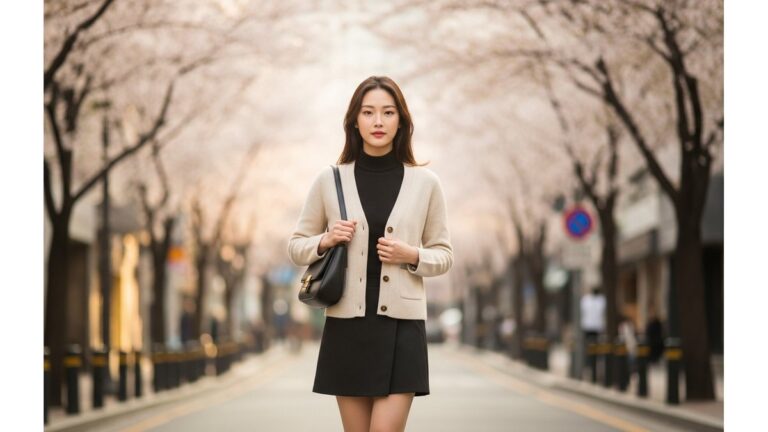
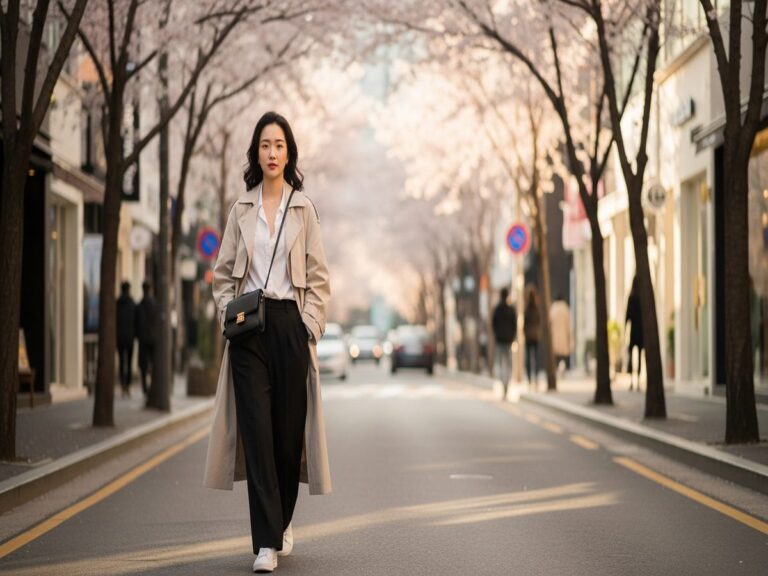
If you really want to understand K-fashion, you can’t just look at the runways; you’ve got to hit the streets. And not just the perfectly curated, Instagram-ready spots. You need to experience the vibrant, chaotic, and utterly distinct fashion ecosystems of neighborhoods like Gangnam and Hongdae. They’re like two sides of the same very stylish coin, reflecting different facets of Seoul’s sartorial soul.
In Gangnam, especially around Apgujeong Rodeo, you’ll find the epitome of luxury and polished sophistication. But let me tell you, real Apgujeong style looks nothing like what Instagram shows you. It’s less about flashy logos and more about impeccable tailoring, unexpected fabric combinations, and an almost surgical precision in accessorizing. Think quiet luxury, but with a slight, knowing edge. You’ll see people effortlessly pairing a perfectly cut blazer from LE 17 SEPTEMBRE with tailored trousers and a pair of minimalist, high-end sneakers, or a stunning dress from & Other Stories elevated with a vintage Hermès scarf. It’s understated wealth, often with a cheeky twist that only those in the know would spot. The ‘clean girl’ aesthetic, for example, might have peaked globally in 2023, but Seoul, bless its trend-setting heart, has already moved past it, evolving into something more nuanced, more artful, and frankly, more interesting.
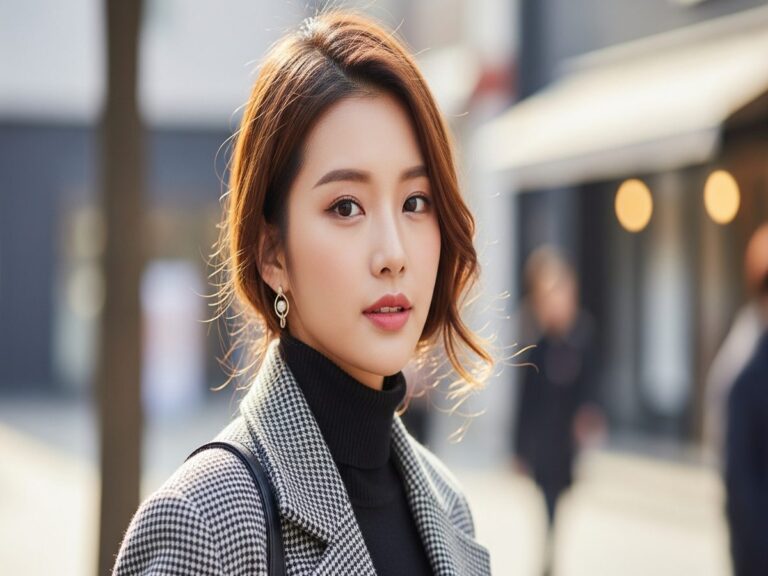
Then you cross the river, and you’re in Hongdae. This is where the indie spirit thrives, where creativity spills out onto the sidewalks, and where experimentation is the name of the game. It’s less about brand names and more about self-expression. Here, you’ll find quirky indie houses like ADDITION L’APPARTEMENT and graphic streetwear from brands like thisisneverthat, often layered in ways that shouldn’t work but somehow absolutely do. Students, artists, and musicians mingle, creating a vibrant tableau of oversized silhouettes, vintage finds, bold color blocking, and unexpected DIY touches. It’s accessible, yes, but also deeply personal. You see people mixing a thrifted band tee with a structured pleated skirt and chunky platforms, or a perfectly distressed denim jacket over a delicate floral dress. It’s a testament to the city’s inherent understanding of balance – how to mix high and low, old and new, tradition and rebellion. This isn’t just fashion; it’s a declaration of identity. And if you’re not paying attention to what’s bubbling up in Hongdae, you’re probably already behind the curve. Why do people think street style is just for show? It’s a genuine indicator of where things are heading, often months before it hits mainstream retail.
Hanbok’s Modern Rebirth: A Dialogue Between Eras
One of the most captivating aspects of Korean fashion’s global appeal is its seamless ability to marry deep-rooted tradition with audacious modernity. Nothing exemplifies this better than the stunning evolution of the hanbok. For centuries, this traditional garment has been a powerful symbol of Korea’s rich history and cultural identity. But in the hands of today’s visionary designers, it’s anything but a relic. It’s an evolving, dynamic piece, reimagined and recontextualized for a fashion-forward world that craves both heritage and innovation.
Designers like Lee Sang Bong have been absolutely pivotal in this transformation. He doesn’t just pay homage to the hanbok; he deconstructs it, infuses it with a contemporary spirit, and then rebuilds it with avant-garde cuts and unexpected materials. Picture traditional silhouettes rendered in sleek, modern fabrics, or intricate embroidery given a futuristic twist with techniques like 3D printing. It’s not about making the hanbok “wearable” in a conventional sense; it’s about turning it into a high-fashion statement, a piece of art that tells a story across generations. We’ve even seen collaborations with tech giants like Samsung, pushing the boundaries further, exploring how smart textiles and wearable technology can integrate with traditional forms. This isn’t just about preserving culture; it’s about propelling it forward, ensuring the hanbok remains a living, breathing dialogue between the past and the present. It stops being merely an artifact you admire in a museum and transforms into a powerful statement on a global runway, proving that history can be both respected and radically reinvented. It’s a masterclass in cultural appropriation done right – by the culture itself, for the world to admire and understand.
Why K-Fashion Just Hits Different: The Personal Touch
So, what’s the secret sauce? Why does Korean fashion resonate so deeply with people across continents? I’d argue it comes down to a fundamental difference in philosophy, a nuanced approach that sets it apart from its Western counterparts. What most people miss is how incredibly personal these styles can feel, even when they’re part of a massive trend. Unlike Western fashion, which can sometimes feel like an imposition – a top-down declaration of what you *should* be wearing, dictated by a handful of luxury houses – Korean fashion offers a more inviting, almost collaborative experience.
There’s an inherent playfulness, a willingness to experiment, and a deep understanding of comfort that makes Korean aesthetics incredibly appealing. It’s about building a look that feels authentic to you, whether you’re drawing inspiration from a K-Drama character’s quirky librarian chic or a K-Pop idol’s edgy stage wear. It’s aspirational, yes, but crucially, it’s also accessible. You see a look on Jennie Kim, and you can find similar elements in Hongdae’s indie boutiques or even at a mid-tier brand like & Other Stories, allowing you to interpret and personalize the trend rather than simply replicating it. It’s a subtle but powerful distinction. Korean fashion empowers you to weave your own narrative, to express your individuality within a broader cultural framework. It’s not about rigid rules; it’s about creative freedom, about mixing high and low, vintage and new, street style and runway with an effortless cool that screams confidence, not conformity. It doesn’t force you into a box; it gives you the tools to build your own, unique style universe. And in a world oversaturated with fleeting trends, that kind of genuine connection to self-expression? That’s gold. It’s why people don’t just buy K-fashion; they *live* it. They make it their own.
As Seoul continues to push the boundaries, blending its rich cultural heritage with an unyielding gaze towards the future, one thing is abundantly clear: Korean fashion isn’t just a global sensation; it’s a persistent, evolving force, constantly redefining what it means to be stylish in the 21st century. And honestly, I can’t wait to see what they dream up next. My wallet, however, might need a break.
About the Author