
The Tide That Keeps Rising: Korea’s Unstoppable Cultural Momentum
In 2023, a staggering 14.5 million international tourists didn’t just visit Korea; they embarked on a pilgrimage. They swarmed the neon-drenched avenues of Myeongdong, hiked the ancient trails around Gyeongbokgung Palace, and devoured street food in Hongdae, all while singing along to their favorite K-Pop anthems. This wasn’t just a bump in tourism numbers; it was a roaring declaration, a clear indicator of the magnetic, undeniable pull of K-culture. The Korea Tourism Organization didn’t just report these figures; they confirmed what we all already knew: this isn’t a fleeting trend. This is an enduring, deeply rooted global love affair.
What most people miss about that number isn’t just the sheer volume, but the quality of engagement. These aren’t simply sightseers ticking off landmarks; they’re cultural explorers, eager to connect with a dynamic society that effortlessly marries centuries-old traditions with breathtaking modernity. You’ll find a serene Buddhist temple nestled beside a hyper-futuristic skyscraper, or a bustling traditional market just a stone’s throw from a high-tech shopping district showcasing the latest fashion trends. This unique blend is genuinely captivating, offering visitors a sensory experience unlike almost anywhere else on Earth. It’s the scent of grilling galbi mixing with the thrum of a techno beat, the sight of hanbok-clad tourists posing outside a palace against a backdrop of sleek, minimalist cafes.
The global fascination with Korean culture isn’t some happy accident. Oh no, this cultural wave has been meticulously, strategically, and passionately crafted over decades. It’s a testament to a long-term vision, a deliberate blending of a rich, vibrant history with relentless innovation and a keen understanding of global appeal. Korea didn’t just stumble into “soft power;” they built it brick by beautifully designed brick, from the government-backed cultural initiatives of the late 20th century to the grassroots artistic movements that continue to thrive today. This isn’t just about what’s popular *today*; it’s about a profound respect for a heritage that consistently informs, enriches, and propels the present.
The influence of this Hallyu, this “Korean wave,” stretches far beyond the borders of Korea itself. It impacts everything from global pop culture charts and the beauty standards we see on social media to the very fabric of international diplomacy and economic exchange. Brands clamor for Korean celebrity endorsements, universities report soaring enrollment in Korean language programs, and even political discussions often reference the nation’s remarkable cultural output. It’s a phenomenon that has transcended mere entertainment, embedding itself into the global consciousness, proving that culture, when wielded effectively, can be the most potent form of diplomacy.
The Architects of Global Fandom: K-Pop’s Enduring Legacy
When BTS announced their latest global tour, the internet practically combusted. Fans – the legendary ARMY – didn’t just lose their minds; they mobilized. Tickets vanished in seconds, fan projects sprang to life, and social media feeds exploded with anticipation. This isn’t just a fanbase; it’s a global community, a living, breathing network that thrives on shared experiences, deep emotional connections, and an almost familial bond. BTS, with their poignant lyrics, intricate choreography, and genuine authenticity, have been absolutely pivotal in making K-Pop a household name worldwide, breaking down barriers that once seemed insurmountable. Their journey from a relatively small company to global superstardom is a modern legend, a testament to talent, hard work, and an unwavering connection with their audience.
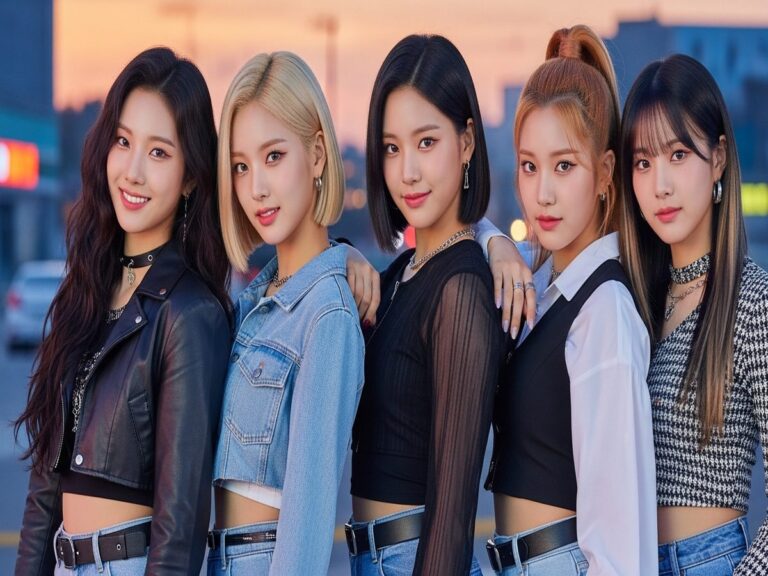
But to suggest the phenomenon is limited to them alone would be a disservice to the entire industry. BTS might have kicked open the biggest doors, but countless other groups and artists have poured through, each bringing their unique sound, style, and message to the global stage. What makes K-Pop so compelling isn’t just the music, though it’s undeniably catchy and impeccably produced. It’s the entire package: the stunning visuals, the synchronized dancing that borders on athletic artistry, the compelling narratives woven into their music videos and album concepts, and the intimate, constant communication with their fans. It creates an immersive world that’s incredibly hard to resist.
Beyond the Microphone: Fashion, Philanthropy, and Psychology
Blackpink and BTS haven’t just set the bar incredibly high for musical performance; they’ve redefined what it means to be a global cultural icon. Their influence isn’t confined to concert halls or streaming platforms; it permeates fashion runways, drives language learning, and, perhaps most profoundly, normalizes crucial conversations around mental health. Honestly, it’s their uncanny ability to connect on so many disparate levels that makes them so impactful, turning casual listeners into devoted followers who want to understand and embody the culture they represent. They’re not just idols; they’re cultural ambassadors, trendsetters, and sometimes, even unexpected therapists for their millions of listeners.
Fashion-wise, Blackpink is a force of nature. You’re just as likely to spot Jennie’s latest Chanel look on the streets of Paris during Fashion Week as you are on the bustling avenues of Gangnam. Lisa’s Celine endorsements, Jisoo’s Dior ambassadorship, and Rosé’s Saint Laurent campaigns aren’t just celebrity partnerships; they’re global style statements that dictate trends. Similarly, BTS members, whether gracing the red carpet in custom Louis Vuitton or sporting effortlessly chic airport looks, turn every public appearance into a fashion moment. Their sartorial choices—from high-end luxury to streetwear—are meticulously documented, emulated, and celebrated, proving that K-Pop fashion isn’t just a niche aesthetic; it’s a major player on the global style stage. It’s a dynamic interplay where idols inspire designers, and designers, in turn, craft looks that amplify the idols’ unique personas.
The influence extends deeply into language as well. Millions of fans worldwide are eagerly picking up Korean, not just to understand the intricate nuances of their favorite lyrics, but to bridge a genuine cultural gap. Duolingo and other language apps have seen massive spikes in Korean learners, driven by the desire to read fan letters, understand V Live broadcasts without subtitles, or simply feel closer to their idols. It’s a powerful, organic form of cultural exchange, breaking down linguistic barriers and fostering a deeper appreciation for Korean storytelling, humor, and everyday expressions. This isn’t just about learning a few phrases; it’s about opening a window into an entirely different way of thinking and communicating, transforming passive consumption into active participation.
And let’s not overlook mental health—a topic that these groups, particularly BTS with their “Love Yourself” campaign, have bravely normalized discussing. This openness is particularly important in a society where mental health issues have historically been stigmatized, often swept under the rug due to cultural pressures and a lack of open dialogue. By sharing their own struggles and advocating for self-acceptance and seeking help, BTS and other groups have made it okay to not be okay. They’ve given voice to millions who felt alone, creating a safe space for vulnerability and fostering a global community centered on compassion and understanding. Think about it: when was the last time a pop group genuinely shifted global conversations around mental well-being on such a massive scale? It’s genuinely groundbreaking, providing comfort and validation to countless young people across the globe.
The New Wave: Sound, Vision, and Virtual Frontiers
While giants like BTS and Blackpink continue to dominate, newer groups are eagerly pushing the boundaries, carving out their own distinct niches and evolving the very definition of K-Pop. Stray Kids, for instance, with their edgy, often self-produced sound and intense, almost visceral performances, offer a fresh, raw take on what K-Pop can be. Their “noise music” concept, characterized by powerful beats, aggressive rapping, and experimental soundscapes, resonates deeply with a generation that craves authenticity and a departure from the polished pop norms. They’re not just performing; they’re unleashing a torrent of energy, a controlled chaos that’s both exhilarating and deeply personal. Their discography, often delving into themes of self-doubt, ambition, and finding one’s path, speaks volumes to their dedicated fanbase, known as STAY.
Aespa, on the other hand, inhabits a completely different, yet equally boundary-pushing, corner of the K-Pop universe. They’re pioneering the integration of virtual avatars and metaverse concepts directly into their music, lore, and artistic identity. Each member of Aespa has a corresponding virtual “ae” counterpart, existing in a digital world known as the “SM Culture Universe.” This innovative concept blurs the lines between reality and simulation, creating a multi-dimensional narrative that’s both futuristic and deeply engaging. Honestly, Aespa is a glimpse into pop’s future. They aren’t just performing; they’re building an entire digital world, blurring the lines between reality and simulation in a way that’s both thrilling and a little disorienting. Their music often features heavy electronic elements and powerful vocals, perfectly complementing their high-concept virtual identity.
And it’s not just these two. Groups like IVE are captivating audiences with their elegant, “self-love” anthems and sophisticated visuals, while NewJeans burst onto the scene with a refreshing, almost retro-meets-Y2K aesthetic and an “easy listening” sound that felt like a breath of fresh air amidst the more high-octane releases. These groups, among many others, demonstrate the incredible diversity and constant evolution within K-Pop. The industry isn’t resting on its laurels; it’s a hotbed of creative experimentation, constantly innovating sound, visuals, and storytelling to keep its global audience hooked and to continue redefining what popular music can achieve.
Beyond the Beat: The Broader Canvas of K-Culture
While K-Pop often hogs the spotlight, it’s just one brilliant thread in the richly woven tapestry of K-culture. The influence of Korean dramas, for instance, has quietly but powerfully seeped into homes worldwide, creating a legion of dedicated viewers. Beyond the global phenomenon of *Squid Game*, which truly cracked open the Western market, there’s an incredible depth and variety. You have the heartwarming, nostalgic slice-of-life narratives of *Reply 1988*, the sweeping historical epics like *Kingdom* that blend zombie horror with Joseon-era politics, or the utterly charming romantic comedies such as *Crash Landing on You* and *Business Proposal*. Then there are the gritty, complex thrillers like *Vincenzo* or the revenge-driven brilliance of *The Glory*. These dramas aren’t just entertainment; they’re masterclasses in compelling storytelling, character development, and often, stunning cinematography, transporting viewers to different worlds and eliciting genuine emotional investment. They also drive tourism, as fans flock to real-life filming locations, and spark interest in Korean history, societal norms, and even daily life.
Then there’s K-Beauty, a sector that has truly revolutionized the global skincare and makeup industry. It’s so much more than just a famous 10-step routine; it’s an entire philosophy centered on skin health, innovation, and gentle, effective ingredients. From the ubiquitous cushion compacts to the surprising effectiveness of snail mucin, and the pursuit of that coveted “glass skin” aesthetic, Korean brands consistently lead with cutting-edge formulations and playful packaging. Companies like Innisfree, COSRX, and Dr. Jart+ have become household names, celebrated for their scientific advancements and their commitment to natural ingredients. The sheer volume and variety of products are staggering, ensuring that there’s something for every skin type and concern. K-Beauty isn’t just about looking good; it’s about a holistic approach to self-care, making daily routines feel like luxurious rituals.
And let’s not forget K-Food, which has firmly established itself as a global culinary powerhouse. Beyond the universally adored kimchi, the world has fallen head over heels for the fiery deliciousness of Korean BBQ, the comforting warmth of bibimbap, and the addictive chewiness of tteokbokki. Korean street food, in particular, offers an explosion of flavors and textures that are both adventurous and deeply satisfying. The health aspects of many Korean dishes, with their emphasis on fresh vegetables, fermented foods, and balanced flavors, also contribute to their widespread appeal. Eating Korean food is often a social experience—sharing sizzling plates of meat, mixing a bowl of savory rice, or gathering around a bubbling hot pot—that fosters connection and joy. From Michelin-starred restaurants in Seoul to humble street carts, K-Food continues to conquer palates everywhere, proving that deliciousness knows no cultural bounds.
What truly fascinates me is how interconnected all these elements are. A K-drama can introduce you to a new dish, which leads you to explore a specific beauty product mentioned by a character, and suddenly, you’re looking up flights to Seoul, eager to experience it all firsthand. It’s a holistic cultural experience, a web of interconnected influences that makes the K-Wave so incredibly potent and immersive.
The Unseen Threads: Why Korea’s Cultural Wave Endures
So, why does Korea’s cultural wave not only persist but continue to grow, seemingly unstoppable? It isn’t just about catchy tunes or aesthetically pleasing visuals, though those are certainly powerful draws. I’d argue that the secret sauce isn’t just about chasing fleeting trends; it’s about a profound commitment to excellence, relentless innovation, and a deep-seated authenticity that resonates on a truly emotional level. Korean creators, whether they are musicians, directors, writers, or chefs, aren’t afraid to explore vulnerability, joy, struggle, and connection in ways that genuinely hit home for people globally, regardless of their own cultural background. This emotional resonance creates a bond far stronger than mere entertainment.
The enduring appeal also stems from a remarkable adaptability and resilience inherent in Korean culture. Historically, Korea has faced numerous challenges, yet each time, it has emerged stronger, more innovative, and more determined. This spirit is reflected in its contemporary culture, which constantly reinvents itself, absorbs global influences, and then re-presents them with a uniquely Korean twist. This dynamism means the K-Wave never feels stagnant; it’s always evolving, always offering something new, yet always maintaining its core identity. It’s a testament to the nation’s creative energy and its ability to consistently produce content that is both globally appealing and distinctively Korean.
This isn’t just a wave; it’s the new tide, reshaping the global cultural landscape with every crest.
The meticulous crafting of this cultural phenomenon, blending tradition with cutting-edge trends, isn’t just a marketing strategy; it’s a reflection of Korea’s unique identity and its aspirational vision for the future. The rich history, the vibrant present, and the exciting, innovative future are all interwoven, creating a compelling narrative that the world simply can’t get enough of. It’s a cultural phenomenon built on substance, emotion, and an unwavering drive to connect with people on a universal level. And honestly, that’s why it’s not going anywhere.
About the Author