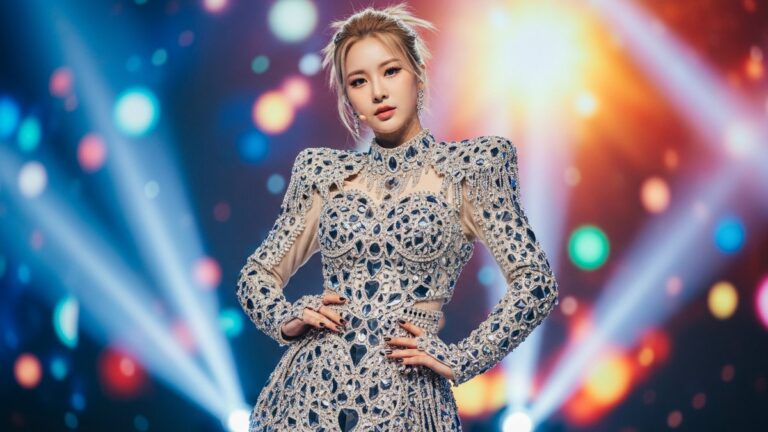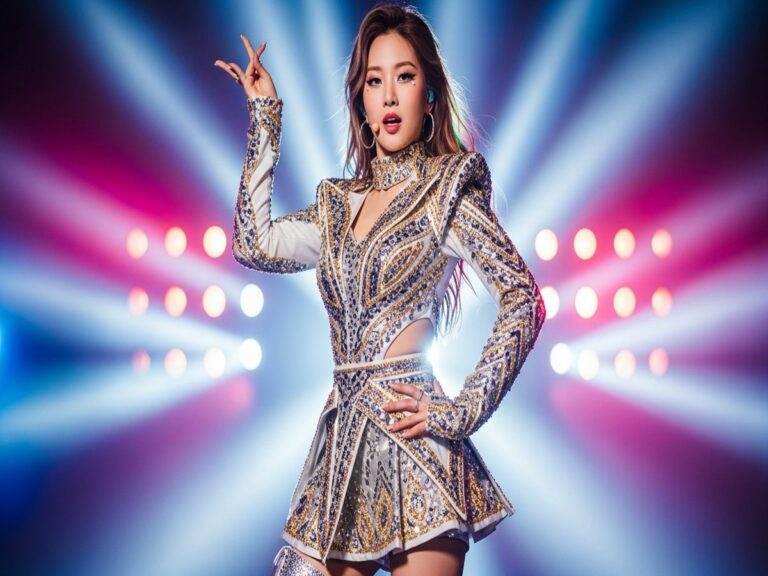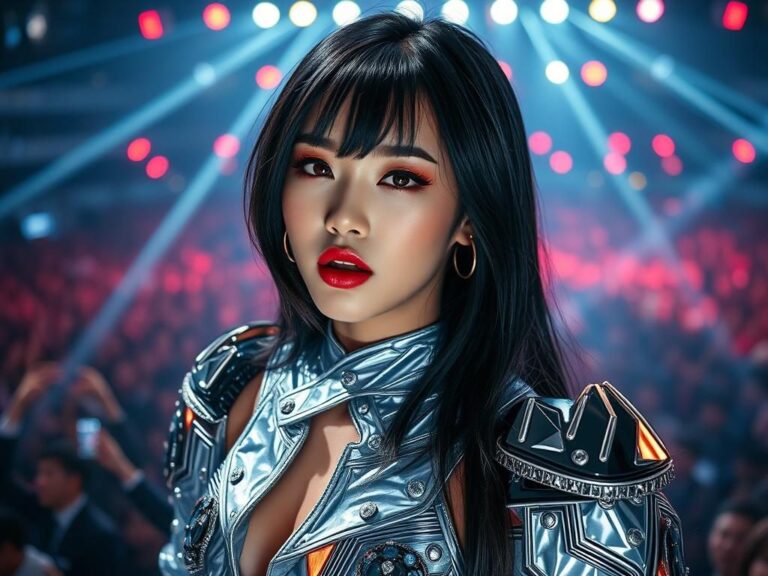
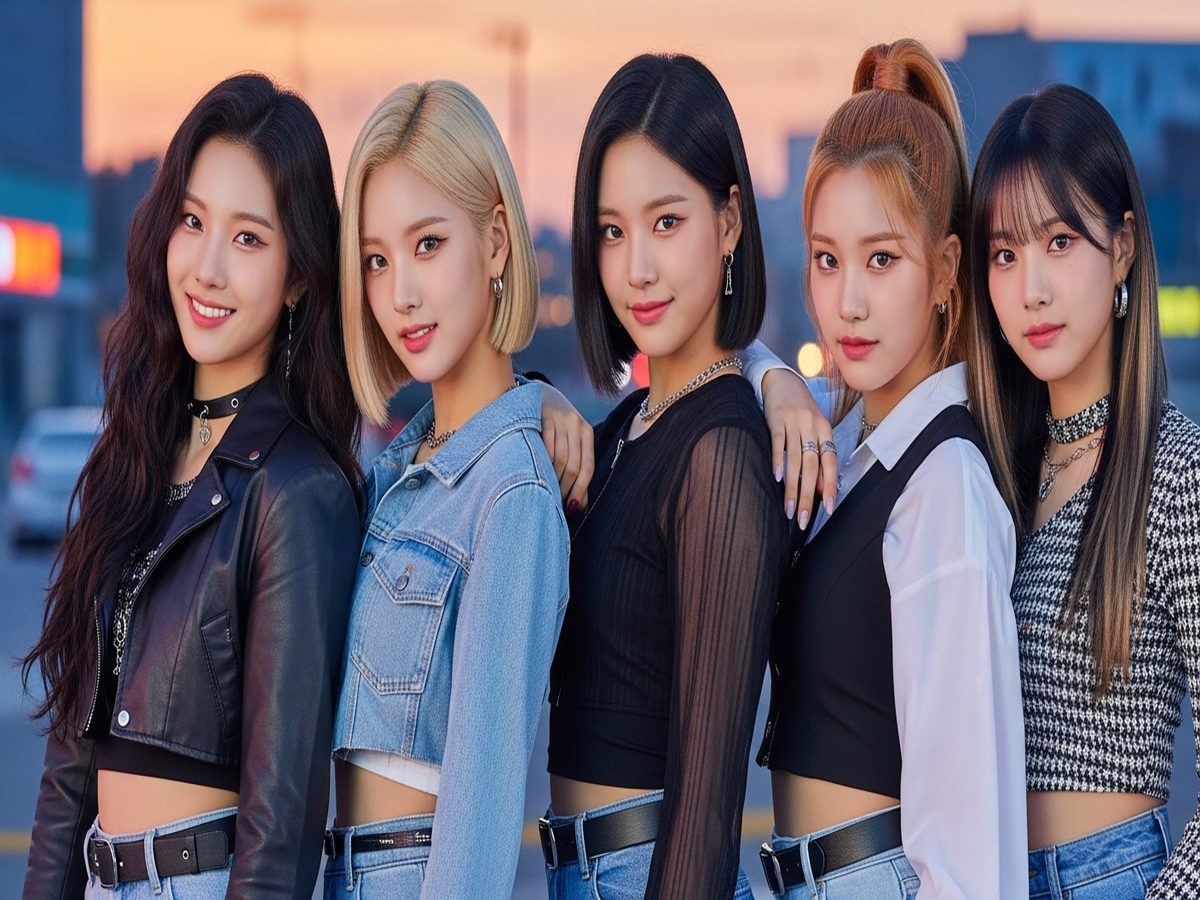
The K-Pop industry, a global phenomenon characterized by its rapid evolution and fervent fanbase, is currently witnessing a fascinating paradigm shift spearheaded by its 4th generation girl groups. As of April 2026, these artists stand at the vanguard of innovation, consistently challenging conventional norms and expanding the very definition of what K-Pop can be. Their emergence has coincided with a period of unprecedented digital connectivity and cultural exchange, allowing them to forge unique identities and connect with audiences worldwide on an intimate level. This deep dive explores the multifaceted ways in which these groups are not just participating in the K-Pop narrative, but actively rewriting its most compelling chapters, particularly through their audacious musical explorations and boundary-pushing concepts.
The New Era: Contextualizing the Rise of 4th Generation Girl Groups
The ascendancy of 4th generation K-Pop girl groups is not an isolated phenomenon but a direct reflection of broader shifts within the global entertainment industry and fan culture. Emerging predominantly from the late 2010s into the early 2020s, these groups inherited a K-Pop landscape already significantly globalized by their predecessors. However, they arrived equipped with a distinct understanding of the digital native audience and a willingness to subvert established archetypes. The post-pandemic era, in particular, accelerated the reliance on digital platforms for content consumption and fan interaction, a space where these groups have demonstrably thrived.
Unlike earlier generations that often debuted with a more defined “girl-next-door” or “fierce” image, 4th gen groups have embraced a spectrum of concepts from the outset, often blending multiple aesthetics and narratives within a single comeback. This adaptability is key to their appeal, allowing them to resonate with diverse demographics who appreciate authenticity and complexity. Furthermore, the rapid dissemination of information and trends through social media has fostered an environment where niche sounds and daring visuals can quickly gain traction, empowering groups to experiment without fear of alienating a broad audience. This generation is characterized by its members’ active participation in songwriting, choreography, and conceptual development, fostering a sense of artistic ownership that deeply connects with their fanbase.
Charting New Sonic Territories: Musical Innovation and Genre Blending
Perhaps the most defining characteristic of 4th generation girl groups is their fearless approach to music itself. Moving beyond the polished pop and EDM-infused tracks that dominated previous eras, these groups are actively engaged in a thrilling exploration of diverse genres, often fusing them in unexpected ways. We are witnessing a bold embrace of sounds previously considered niche or experimental within mainstream K-Pop.
Hyperpop elements, characterized by their distorted vocals, glitchy synths, and rapid-fire beats, have found a prominent place in many of their tracks, lending a futuristic and often surreal quality to their sound. This is frequently coupled with influences from Jersey club, a subgenre of electronic dance music known for its distinctive kick drum patterns and chopped vocal samples, creating energetic and highly danceable anthems. Beyond electronic music, there’s a noticeable incorporation of heavier basslines and trap rhythms, giving their music a powerful, almost industrial edge at times. Simultaneously, many groups are delving into sophisticated R&B arrangements, showcasing intricate vocal harmonies and smoother, more soulful melodies, often juxtaposed with their more aggressive tracks.
Vocal delivery has also seen a significant evolution. While powerful main vocals remain a cornerstone, there’s an increased emphasis on dynamic rap verses, diverse vocal tones, and experimental ad-libs that add texture and personality to their songs. Production quality has reached new heights, with intricate sound design and sophisticated mixing becoming standard. This genre fluidity allows these groups to craft distinct sonic identities, making each comeback an anticipated journey into uncharted musical landscapes. Their willingness to experiment not only keeps their sound fresh but also continually expands the boundaries of K-Pop as a global genre, influencing producers and artists worldwide.
Visual Storytelling and Conceptual Depth: Beyond the Aesthetic
Beyond their innovative sound, 4th generation girl groups have redefined the art of visual storytelling and conceptual depth within K-Pop. Their comebacks are often meticulously crafted experiences, where music, visuals, choreography, and narrative intertwine to create immersive worlds for their audiences. The days of simple, bright concepts have largely given way to more complex, often darker, and introspective themes.
Empowerment and self-love remain central tenets, but they are frequently explored through more nuanced lenses, incorporating elements of fantasy, mythology, and even dystopian narratives. Concepts often delve into themes of identity, societal pressures, and the journey of self-discovery, resonating deeply with a generation that values authenticity and introspection. Music videos, in particular, have become cinematic masterpieces, replete with intricate lore, stunning visual effects, and symbolic imagery that invites multiple interpretations. These visuals are not mere accompaniment; they are integral to understanding the group’s message and the overarching narrative they wish to convey.
Styling has also evolved to become more avant-garde and experimental, pushing fashion boundaries and reflecting the eclectic nature of their music. From high fashion to street style, and often a blend of both, their outfits are carefully curated to enhance the concept and individual member’s persona. Choreography, too, has become more dynamic and expressive, moving beyond synchronized precision to incorporate storytelling elements, powerful gestures, and intricate formations that convey emotion and narrative. The creative teams behind these groups, including directors, choreographers, and stylists, play a crucial role in bringing these complex visions to life, ensuring every detail contributes to a cohesive and impactful artistic statement. This holistic approach to their artistry ensures that each release is not just a song, but an entire experience that captivates and engages on multiple levels.
Global Fandom and Digital Engagement: Building a Connected Community
The global reach of 4th generation girl groups is intrinsically linked to their masterful utilization of digital platforms and their ability to cultivate deeply engaged international fanbases. Born into an era of ubiquitous social media, these groups and their agencies have leveraged platforms like TikTok, YouTube, Instagram, and fan-specific apps like Weverse to foster unprecedented levels of connection with their audience.
TikTok, in particular, has become a powerful tool for viral marketing, with dance challenges and short-form content introducing their music to millions beyond traditional K-Pop circles. YouTube serves as a hub for high-quality music videos, performance clips, and behind-the-scenes content, allowing fans to delve deeper into their artistry. Beyond official content, groups actively engage with fans through live streams, Q&A sessions, and direct messaging features on various platforms, creating a sense of intimacy and community that transcends geographical barriers. This direct communication fosters a strong sense of loyalty and personal investment among fans, who often feel a direct connection to the artists.
The international fanbases of these groups are incredibly organized and proactive, engaging in sophisticated streaming campaigns, social media promotions, and even crowdfunding for physical album purchases and billboard advertisements. This collective power significantly impacts global chart performance and award nominations, demonstrating the tangible influence of a digitally empowered fandom. Furthermore, many 4th gen groups have embraced international collaborations, participating in global campaigns and working with Western artists or producers, further solidifying their presence in the global music scene. This strategic digital engagement is not just about promotion; it’s about building a sustainable, interactive ecosystem where artists and fans co-create and celebrate K-Pop’s evolving culture.
The Road Ahead: What’s Next for 4th Generation Girl Groups?
As we look towards the latter half of 2026 and beyond, the trajectory of 4th generation girl groups promises continued innovation and influence. Their current impact suggests a future where K-Pop’s musical and conceptual boundaries will continue to expand, driven by a generation unafraid to experiment. However, this path is not without its challenges. The intense competition within the K-Pop industry demands constant reinvention and a sustained level of artistic output, testing the endurance and creativity of both the groups and their management.
One critical aspect will be how these groups navigate the evolving digital landscape. As new platforms emerge and consumption habits shift, maintaining relevance and engagement will require adaptive strategies. Furthermore, the industry’s notorious “seven-year curse” – a common period for contract renewals and potential member changes – looms for some of the earlier 4th gen groups, raising questions about their long-term stability and evolution. Their ability to mature artistically, explore new personal narratives, and maintain a fresh sound will be paramount to their longevity.
Despite these challenges, the legacy of 4th generation girl groups is already being cemented. They have demonstrated that authenticity, artistic freedom, and a deep understanding of global digital culture are powerful ingredients for success. Their influence will undoubtedly shape the next wave of K-Pop artists, setting higher benchmarks for musical innovation, visual storytelling, and fan engagement. As they continue to push the envelope, these groups are not just creating music; they are crafting a vibrant, dynamic future for K-Pop on the world stage, ensuring that the genre remains a compelling force for cultural exchange and artistic expression for years to come.
About the Author