
The Roar of ’26 and a 30-Year Echo
March 2026. The world wasn’t ready. When BTS dropped the news of their monumental, record-shattering world tour, it wasn’t just another announcement; it was a seismic event. It solidified their status, yet again, as truly global titans, but more than that, it served as a thunderous reminder of the Korean Wave’s absolutely unstoppable journey. Thirty years have now passed since the term ‘Hallyu’ first elbowed its way into our lexicon, marking a cultural phenomenon that hasn’t just chipped away at the global entertainment landscape – it’s fundamentally reshaped it, carved new channels, and painted the sky in shades of Seoul neon.
Think about it. The allure of Korean culture isn’t just strong; it’s a gravitational pull. Just last year, in 2025, a staggering 14.7 million tourists practically sprinted to South Korea. And why? Not just for the ancient palaces or the bustling markets, though those are magnificent, of course. They came because of an insatiable, undeniable love for everything Korean, cultivated through years of K-dramas, K-pop anthems, the mouth-watering allure of Korean cuisine, and the undeniable magic of K-beauty products. It’s an entire lifestyle package, beautifully curated and brilliantly delivered.
But here’s the kicker, the thing that often gets glossed over in the glitter and glam: this cultural tidal wave, this global obsession, wasn’t some happy accident. It didn’t just bubble up spontaneously from the Han River. What we’ve witnessed is the product of South Korea’s razor-sharp strategic vision, combined with an almost alchemical ability to blend ancient tradition with hyper-modernity. This isn’t just cultural export; it’s a masterclass in soft power, turning Hallyu into perhaps the most formidable cultural force the world has ever seen. It’s a story of deliberate, calculated efforts, of shrewd strategic partnerships, and a synergy between government and industry that has completely redefined how cultural influence is wielded on the global stage. Honestly, no other country has managed anything quite like it.
Where the Wave Began: From Asian Shores to Global Currents
The earliest whispers of Hallyu, the very seeds of this global obsession, were sown back in the mid-1990s. It was the Chinese media, sharp-eyed as ever, who first started using the term ‘Hallyu’ to describe the burgeoning, undeniable interest in Korean culture. This wasn’t some niche, underground thing; it was a phenomenon, growing with a quiet intensity that would soon become a roar. And what sparked it? Korean dramas. Seriously, if you weren’t there, you might not grasp the sheer, unadulterated impact of shows like “Winter Sonata” and “Jewel in the Palace.” These weren’t just standard TV fare; they were meticulously crafted narratives, deeply entwined with Korean cultural nuances, rich in emotion, and visually stunning. They weren’t just watched; they were *experienced*. They transcended language barriers, enchanting audiences not just across Asia, but quickly expanding beyond those borders, creating loyal fan bases who devoured every episode.
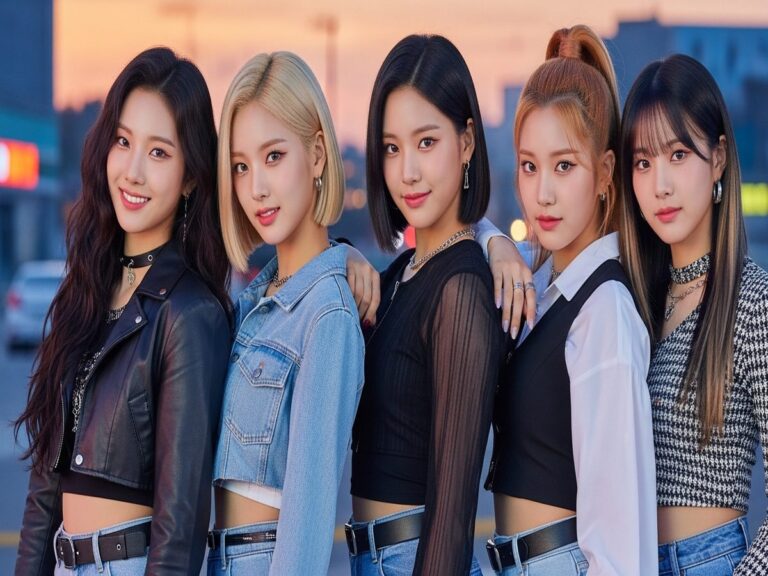
Then came the music. K-pop, in its nascent form, burst onto the scene with groups like H.O.T and Sechskies. They weren’t just singing; they were performing with an explosive energy, delivering catchy tunes that wormed their way into your brain and stayed there. Their synchronized choreography, their vibrant aesthetics, their sheer charisma – it was a refreshing, electrifying alternative to the often-monotonous Western pop music landscape of the time. For international audiences, it offered something that felt both wonderfully familiar in its pop sensibilities and excitingly exotic in its presentation. It wasn’t trying to be American; it was proudly, unmistakably Korean, and that was its power. It dared to be different, and the world paid attention.
What most people miss, I’d argue, is how this exquisite blend of modernity and tradition, woven so effortlessly into early Korean content, became its secret weapon. It wasn’t about stripping away Korean identity to appeal to a wider audience; it was about showcasing it in a way that resonated universally. The themes of family, loyalty, love, ambition, and struggle – these are human experiences, regardless of where you live. When presented with such authenticity and production quality, coupled with a distinct cultural flavor, it catalyzed a global fandom that has only grown stronger, more passionate, and more organized over the past three decades. It built bridges, one drama episode and one catchy chorus at a time.
The Architects of Influence: Korea’s Master Plan
You hear about “soft power” a lot these days, but frankly, few nations genuinely understand how to wield it. Korean soft power didn’t happen by accident – there’s a 30-year policy story behind it, meticulously crafted and relentlessly pursued. The South Korean government, with a foresight that frankly borders on prescient, recognized incredibly early the colossal potential of its cultural sector to become a global force. They didn’t just sit back, hoping for the best, crossing their fingers that a band or a drama would spontaneously go viral. Absolutely not.
They invested strategically, pouring resources into infrastructure, talent development, and technological advancements within the media industry. They crafted policies designed not just to support domestic growth but to actively foster international expansion. This wasn’t about dictating content, but about creating an ecosystem where creativity could flourish, where artists could be trained, and where production companies could take risks, knowing they had a safety net and a runway for global ambition. Think about the funding for content creation, the support for overseas marketing initiatives, the development of cultural centers around the world – these weren’t random acts of goodwill. They were pieces of a grand, interconnected puzzle.
This deliberate effort created an unparalleled synergy between government and industry. It wasn’t one pushing against the other; it was a collaborative dance. The government provided the framework, the funding, the international diplomacy, and the industry, in turn, delivered the goods: the captivating dramas, the electrifying music, the irresistible beauty products. It created a virtuous cycle where success begot more investment, which begot more success. This level of coordinated effort is, quite frankly, astonishing. How many nations can genuinely say their cultural strategy is as meticulously planned and executed as Korea’s? Not many, I’ll tell you that much. It’s a blueprint for cultural diplomacy that other countries are still trying, often clumsily, to replicate.
Beyond the Screens: Hallyu’s Lifestyle Revolution
While K-dramas and K-pop were undoubtedly the dazzling vanguard, the spearhead of the Hallyu charge, the wave itself was always destined to be so much more. It wasn’t long before global audiences, captivated by the stories and the music, started peering deeper into the screens, noticing the food, the fashion, the flawless complexions. Suddenly, it wasn’t just about entertainment; it was about lifestyle. This is where Hallyu truly transcended. It became an aspirational vision, a window into a culture that felt simultaneously accessible and wonderfully exotic.
Take Korean cuisine, for instance. For years, kimchi was the only word most Westerners knew. Now? Gochujang is a staple in many home kitchens. Bibimbap bowls are everywhere from casual eateries to high-end restaurants. We’re craving tteokbokki, gimbap, Korean fried chicken (and let’s be real, KFC has absolutely spoiled us for all other fried chicken). Chefs are incorporating Korean flavors into fusion dishes, and cooking shows are dedicated entirely to exploring its incredible diversity. This wasn’t forced; it was organic. People saw their favorite drama characters enjoying a hearty meal, or their K-pop idols raving about a particular snack, and thought, “I want that.” It’s an incredibly powerful form of soft marketing, driven by authenticity and desire.
And K-beauty? That’s a whole phenomenon unto itself. Remember when a ten-step skincare routine sounded absolutely insane? Now, it’s practically gospel for millions. The focus on hydration, barrier health, innovative ingredients, and that coveted “glass skin” glow has utterly transformed the global beauty industry. Brands like Sulwhasoo, Laneige, Innisfree – they’re not just selling products; they’re selling an approach to beauty that prioritizes long-term skin health and a radiant, natural look. Similarly, Korean fashion, from the sleek streetwear seen in Itaewon to the sophisticated styles gracing Seoul Fashion Week, has carved out its own influential niche. The way Hallyu has seamlessly integrated these elements into global daily life, changing habits and preferences, isn’t just impressive; it’s a testament to its profound cultural penetration. It’s not just a trend; it’s a new way of living for countless people around the globe.
The Digital Age and Fan Power: A Two-Way Street
While Hallyu was certainly gaining traction before the widespread advent of social media, the digital revolution absolutely catapulted it into hyperspace. YouTube, Twitter (now X), Instagram, TikTok – these platforms didn’t just provide a stage; they built a direct, unfiltered conduit between Korean artists and their global fans. Suddenly, geographic distances evaporated. A K-pop group’s music video could rack up hundreds of millions of views in mere hours, fueled by dedicated fan streaming parties. Drama recaps, fan theories, cultural explainers – they all found their homes online, creating vibrant, self-sustaining communities.
What’s truly fascinating is how this isn’t just a one-way street of consumption. Hallyu fandoms are arguably the most organized, passionate, and *active* fan bases in the world. They aren’t just consumers; they’re evangelists, translators, marketers, and even philanthropists. They organize mass streaming efforts, trend hashtags, fund charity projects in their idols’ names, and tirelessly translate content for non-Korean speakers, effectively doing the work of entire marketing departments, often for free. They’ve built intricate networks, shared knowledge, and fostered a sense of global camaraderie that transcends nationality. This isn’t just about liking a band; it’s about belonging to a global movement.
Their collective power is immense. They can propel a song to the top of global charts, demand merchandise, influence tour stops, and even sway public opinion. This incredible level of engagement has, in turn, fed back into the Korean entertainment industry, pushing artists and companies to be more responsive, more innovative, and more globally minded. It’s a dynamic feedback loop that ensures Hallyu isn’t just maintained but constantly evolved and strengthened by the very people who love it most. It’s a beautiful, chaotic, powerful thing to witness.
The Enduring Legacy: What Hallyu Taught the World
Thirty years is a significant milestone, a moment to look back and truly grasp the magnitude of what Hallyu has achieved. It’s not just about flashy pop songs or tear-jerking dramas anymore. Hallyu has become a formidable model for cultural export, a blueprint that other nations are now scrambling to understand and replicate. It taught the world that cultural influence doesn’t solely flow from West to East; it can emanate from anywhere, provided it’s authentic, high-quality, and strategically presented. It proved that distinct cultural identity can be a universal asset, not a barrier.
The impact stretches far beyond mere entertainment. It has fueled economic growth, boosted tourism, enhanced Korea’s global image, and even subtly shifted geopolitical perceptions. It has fostered a deeper cultural understanding among millions, breaking down stereotypes and building bridges between diverse communities. People who once knew little about Korea now have a genuine affection for its history, its language, its people, and its artistic spirit. This kind of cultural diplomacy is invaluable, achieving what traditional political efforts often struggle to accomplish.
Of course, Hallyu isn’t without its growing pains or its critics. There are ongoing conversations about the immense pressures on idols, the potential for cultural appropriation, and the challenges of maintaining authenticity amidst hyper-commercialization. But these are natural evolutions of any massive cultural movement. What remains undeniable is its overall success and its profound power. Hallyu didn’t just create fans; it created an entire ecosystem of cultural exchange. It didn’t just introduce K-pop; it introduced a way of seeing the world through a Korean lens, vibrant and full of possibility. The Korean Wave, after three decades, isn’t just a powerful cultural export; it’s arguably the most effective and impactful one in recorded history, and frankly, I don’t see it slowing down anytime soon.
About the Author