
Seoul’s Autumnal Embrace and the Global Craze
November in Seoul is an absolute assault on the senses, in the best possible way. Picture this: the air, crisp and biting, carries the distinct, earthy perfume of roasting chestnuts from a vendor cart near Anguk Station, mingling with the sweet, yeasty scent of freshly fried hotteok from a stall in Ikseon-dong. It’s a vibrant, living city that truly comes alive as the days shorten, begging you to explore its every delicious nook and cranny. I’ve lived in Seoul for two years, eating my way through its back alleys and boulevards, and even now, the sheer sensory overload of autumn here still manages to steal my breath.
It’s no wonder so many people flock to this place. Last year alone, a staggering 17 million tourists descended upon Korea’s capital, and honestly, I’d wager a significant chunk of that number came purely for the food. Seoul isn’t just a dot on a map; it’s a sprawling, pulsating feast for anyone with a working palate. Whether you’re getting gloriously lost in the labyrinthine Hanok alleys of Ikseon-dong, where traditional tea houses now serve artisanal bingsoo, or braving the electrifying chaos of Myeongdong to snag some street food, every corner promises a new culinary revelation.
And what happens in Seoul doesn’t stay in Seoul, not anymore. Korean food, or Hansik as it’s properly called, has exploded onto the global stage with an almost defiant swagger. You can’t walk five blocks in New York City’s Koreatown without bumping into a line stretching out the door for some ridiculously good Korean BBQ, nor can you wander through London’s Soho without spotting a trendy spot serving up kimchi jjigae with a modern twist. People, and I mean *everyone*, simply can’t get enough of its vibrant, audacious flavors and the surprising cultural depth each dish holds. It’s a genuine phenomenon, one that I’ve watched unfold from the ground up, fork in hand.
Hansik: More Than Just a Meal, It’s a History Lesson
What most people miss when they first encounter Hansik is that it’s far more than just a collection of recipes. It’s a living, breathing historical tapestry, woven with centuries of tradition, hardship, innovation, and an unwavering spirit. Every bowl of gukbap, every sizzling plate of bulgogi, carries a story. It reflects the resilience of a people who once had to make do with very little, transforming humble ingredients into something deeply nourishing and profoundly flavorful. You taste the agricultural roots in the careful fermentation of kimchi, the community in the way a banchan spread is presented, the wisdom in the balance of medicinal herbs in a warming samgyetang.
For me, truly understanding Hansik was like unlocking a secret code to Korean society itself. It wasn’t just about learning to identify ingredients; it was about grasping the underlying philosophy. It’s about respect for nature, for elders, for family, and for the very act of sharing. The depth of tradition embedded in something as seemingly simple as a bowl of bibimbap—the careful arrangement of ingredients, each representing a different color and season—speaks volumes about Korea’s values and way of life. It’s a gentle reminder that food isn’t just fuel; it’s a narrative, a connection to generations past.
I remember my first time attempting to make ganjang gejang at home after a particularly inspiring meal in Gangnam. It’s raw crab marinated in soy sauce, a dish that requires a delicate touch and a specific, almost alchemical, understanding of marinades. I ruined it. Absolutely mangled the flavor profile, and I’m not ashamed to admit it. That experience, though a culinary disaster, underscored for me just how much history and generational knowledge is packed into these dishes. It’s not something you just “learn” from a cookbook; it’s something you absorb over time, through countless meals, through watching and sharing.
The Unspoken Language of a Korean Dining Table
Dining in Korea isn’t merely an act of sustenance; it’s a profound social ritual, a vibrant celebration of togetherness. Step into any traditional Korean home, especially during a family gathering, and you’ll immediately notice the joyful hustle and bustle around the dining table. It’s the epicenter of the household, a stage where relationships are nurtured, stories are exchanged, and mutual care is expressed through the sharing of food. It’s truly emblematic of Korean culture, deeply rooted in its agrarian past where communal values weren’t just ideals, but necessities for survival.
Every single dish, from the sprawling array of banchan to the main course, is designed to be shared. There’s no strict individual plating here. Large bowls of stew, platters of grilled meat, and various small side dishes are placed in the center, inviting everyone to partake. This communal approach creates an instant sense of connection, a silent agreement that you’re all in this delicious experience together. You’re reaching for the same kimchi, dipping into the same shared sauce, and in that simple act, you’re forging bonds. It’s incredibly heartwarming, and frankly, a refreshing change from the often-individualistic dining habits of the West.
Isn’t it fascinating how a simple meal can become such a powerful symbol of community? It’s not just about what you eat; it’s about *how* you eat it, and *with whom*. I’ve had some of my most memorable conversations, laughed the loudest, and felt the deepest sense of belonging at these shared tables. Whether it was a raucous BBQ joint in Hongdae or a quiet family kitchen in a residential part of Mapo-gu, the constant clinking of chopsticks and the murmur of conversation around shared plates felt like the very heartbeat of Seoul. This isn’t just eating; it’s truly living, connected.
Feasts for the Soul: Seasonal Celebrations and Shared Heritage
Korean cuisine truly shines during its festive seasons, when meals transcend mere sustenance to become full-on cultural experiences, rich with history and poignant memory. Take Seollal, the Lunar New Year, for instance. The table groans under the weight of an elaborate spread, with tteokguk, a delicate rice cake soup, taking center stage. Each bowl consumed is said to add another year to your life, making it not just a meal, but a symbolic rite of passage. It’s a dish steeped in the hopes for longevity and prosperity, a tangible link to ancestors and a celebration of new beginnings.
Then there’s Chuseok, the harvest festival, which brings with it an abundance of songpyeon, those beautiful half-moon rice cakes filled with sweet sesame, red bean, or chestnut paste. Making songpyeon together is often a family activity, a multi-generational effort that weaves stories and laughter into the very fabric of the dough. These aren’t just sweet treats; they’re edible symbols of gratitude for a bountiful harvest, a way to honor ancestors, and a moment to cherish family connections. They carry the sweet weight of tradition, each bite a whisper from the past.
These meals aren’t just about filling your stomach; they’re about nourishing your soul, reinforcing cultural identity, and strengthening familial ties. My first Seollal in Seoul was a whirlwind of new flavors and even newer customs, and watching families prepare and share these dishes was like witnessing history unfold in real time. The care, the dedication, the sheer joy in the preparation—it was palpable. It taught me that food, at its core, is love made manifest.
That emotional connection is what truly makes it special.
The Art of Balance: Pungsu-jiri on a Plate
The significance of flavor balance in Korean cuisine can’t be overstated; it’s what truly sets Hansik apart on the global stage. It’s not just about throwing a bunch of ingredients together; it’s a meticulously honed skill, perfected over centuries, aiming for a harmonious interplay of spicy, sweet, salty, bitter, and umami in every single bite. This isn’t some abstract culinary theory; it’s deeply ingrained, almost like the concept of ‘pungsu-jiri’ (Korean geomancy), where the placement and arrangement of elements create a perfect, balanced flow of energy. On a plate, this means that no single flavor dominates, but rather they all dance together, enhancing and complementing each other.
Think about a truly well-made kimchi jjigae: it’s spicy, yes, but there’s also a subtle sweetness from the aged kimchi, a savory depth from the pork or tuna, and a briny hit from the fermentation. It’s a symphony of tastes, carefully orchestrated to hit every part of your palate. This constant pursuit of equilibrium is what makes Korean food so endlessly fascinating and addictive. It’s a complexity that rewards careful tasting, encouraging you to savor each layer of flavor as it unfolds.
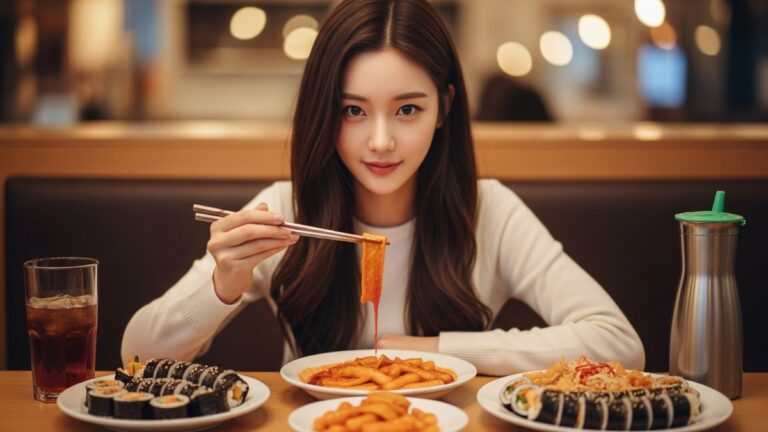
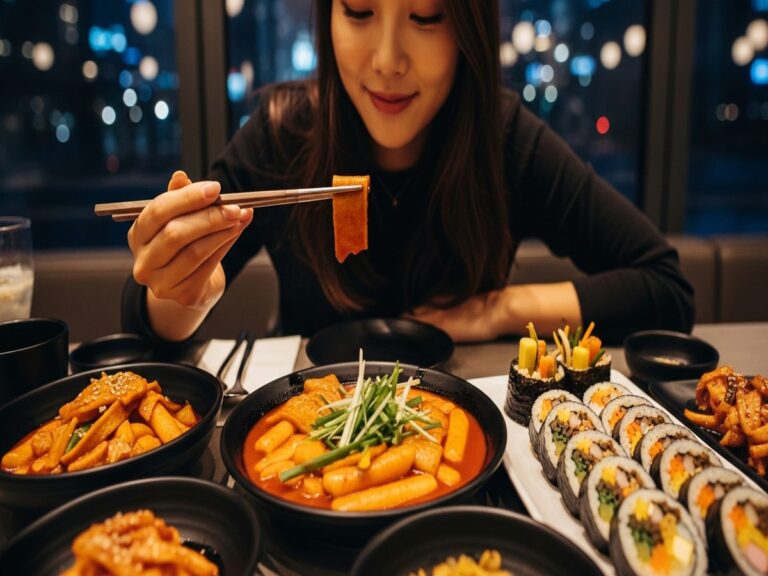
Honestly, when I first started exploring Korean food, this balance was a puzzle. I was used to dishes where one flavor screamed louder than the rest. Here, it was a whisper, a suggestion, a perfect harmony. It took time for my palate to adjust, to appreciate the nuance over the overt. But once I got it, once I understood that subtle art, there was no going back. It’s why the tteokbokki at Sindang-dong tastes nothing like the one you grab from a convenience store; the street vendor’s version has that perfect chewy texture, a deep, fiery gochujang sauce, and a surprising underlying sweetness that makes you keep coming back, bite after glorious bite.
Beyond the Kimchi: My Unfiltered Seoul Food Diary
Okay, let’s get real. Everyone knows kimchi, and yes, it’s foundational, it’s delicious, it’s everywhere. But to say Korean food is just kimchi is like saying Italian food is just pasta. It’s a cardinal sin of culinary ignorance. My two years in Seoul were a relentless, joyful mission to dive headfirst into the lesser-known, the deeply traditional, and the outrageously experimental corners of Hansik. I’ve eaten everything from live octopus (sannakji) in Noryangjin Fish Market, feeling its suction cups latch onto my tongue, to Michelin-starred temple cuisine that was so refined it made me question everything I thought I knew about vegetables.
One of my absolute favorite discoveries, something I’d argue is criminally underrated by most tourists, is ganjang gejang. Yes, the raw marinated crab that I previously failed at making. But when done right, with impeccably fresh crabs swimming in a sweet, savory, umami-rich soy sauce marinade, it’s pure euphoria. The translucent, custardy flesh melts in your mouth, leaving a lingering sweetness that makes you want to lick the shell clean. There’s a particular spot in Sinsa-dong that does it so well, the kind of place you only know about if a local takes you, or if you spend two years stalking the best food blogs and Instagram accounts, which I absolutely did.
And let’s talk about the street food beyond hotteok. Gwangjang Market is my personal heaven, a vibrant, noisy symphony of flavors where you can find everything from bindaetteok (mung bean pancakes) fried to a crisp golden perfection, to mayak gimbap (literally “drug gimbap” because it’s so addictive) served with a mustard dipping sauce that clears your sinuses. The energy, the camaraderie among the vendors, the sheer volume of deliciousness—it’s an experience that encapsulates the very soul of Seoul’s food scene. It’s messy, it’s loud, and it’s utterly, undeniably authentic.
Seoul’s culinary scene isn’t just about Michelin stars or trendy cafes, though it has plenty of those. It’s about the grandmother in a tiny alleyway serving up the same piping hot kimchi jjigae she’s been making for fifty years, the bustling market stalls, the late-night pojangmacha where you huddle over a steaming bowl of odeng with a glass of soju. It’s this spectrum, from the humble to the haute, that makes eating here such an endlessly rewarding adventure. It’s a city that feeds you, literally and figuratively, leaving you utterly satisfied and always, always hungry for more.
About the Author