
{"aigc_info":{"aigc_label_type":0,"source_info":"dreamina"},"data":{"os":"web","product":"dreamina","exportType":"generation","pictureId":"0"},"trace_info":{"originItemId":"7622970674243521808"}}
Seoul Fashion Week 2025: The Vibe Shift is Real
60,000 fashion fanatics descended upon the Dongdaemun Design Plaza this year, proving Seoul Fashion Week 2025 isn’t just playing in the big leagues anymore; it’s practically owning the whole damn stadium. You heard that right. Over sixty thousand people, all buzzing with an energy that felt less like a typical fashion event and more like a full-blown cultural festival, swarmed DDP for a week that truly cemented Seoul’s place on the global fashion map. Forget Paris and Milan for a second, because the sheer innovation and unapologetic self-expression here are unparalleled. This isn’t just about showing clothes; it’s about showcasing an entire ethos, a dynamic blend of deep-rooted tradition and dizzying modernity that feels like the past and future are holding hands, skipping down the runway.
Honestly, it’s about time Seoul Fashion Week got the recognition it deserved. Back in 2000, it was a quiet affair, a local showcase finding its footing. Now, it’s a trend-setting powerhouse, dictating aesthetics that ripple out across the globe, not just meekly following what’s happening elsewhere. This year, the overarching narrative wasn’t just about pretty clothes; it was a loud, clear declaration on sustainability and inclusivity. These aren’t just buzzwords thrown around for PR points here; they’re woven into the very fabric of the collections. Kim Min-ju, bless her artistic soul, delivered an audacious lineup of bold, almost sculptural silhouettes that made you question every minimalist outfit you’ve ever owned. And Lee Chung-chung? His commitment to eco-friendly fashion wasn’t just admirable; it was genuinely chic, proving that conscious choices don’t mean sacrificing style. Each collection pushed the boundaries, challenging preconceived notions with avant-garde techniques and aesthetics that make you wonder, “Why didn’t I come up with that myself?” It’s this daring spirit, this refusal to play it safe, that sets Seoul apart.
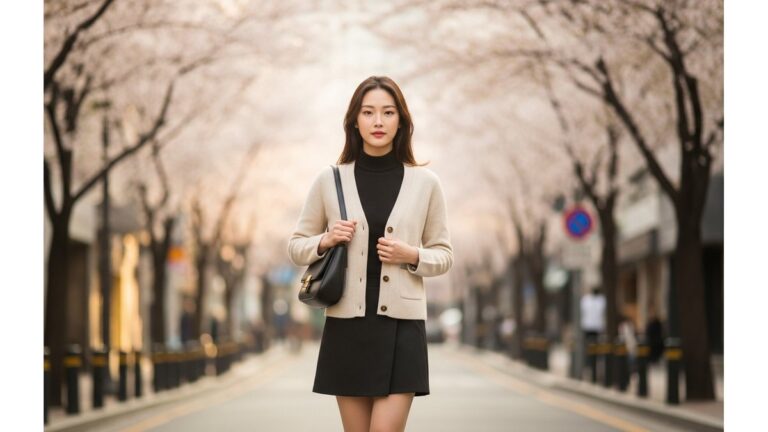
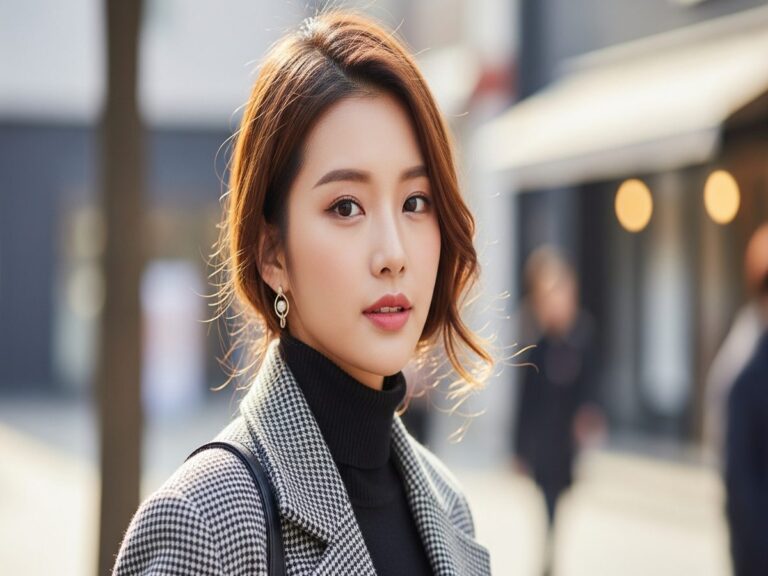
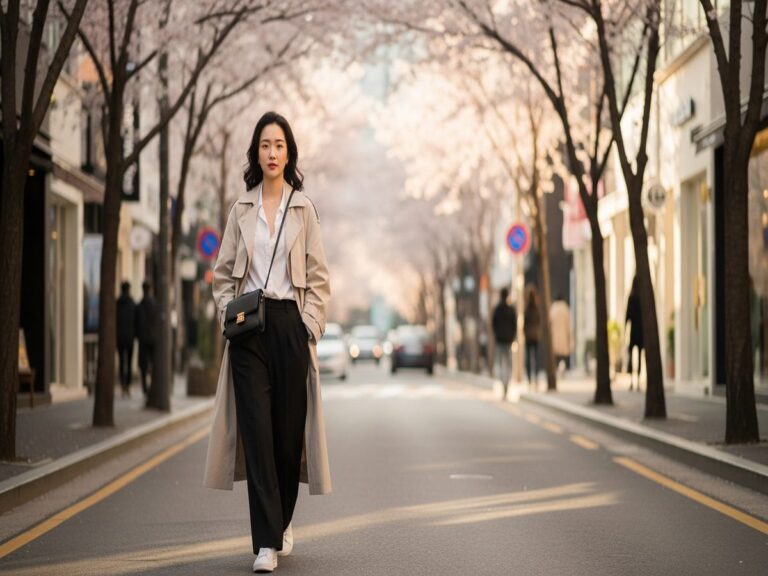
The energy outside the DDP was just as electrifying as the shows themselves, maybe even more so. The crowds weren’t just attendees; they were participants, each outfit a carefully crafted statement. You saw everything from high-concept deconstructed tailoring paired with neon sneakers to hanbok-inspired streetwear that felt utterly fresh and relevant. What most people miss when they scroll through curated Instagram feeds is the sheer diversity of style on the ground. Real SFW style isn’t about perfectly matching sets and neutral palettes; it’s about clashing patterns, unexpected layers, and a fearless approach to color that would make a Western fashion editor clutch their pearls. That’s the beauty of it, isn’t it? It’s raw, it’s personal, and it’s always, always evolving.
Jennie Kim: The Reigning Street Style Oracle
If you’ve spent even five minutes on the internet in the last few years, you know that BLACKPINK’s Jennie Kim isn’t just a K-Pop idol; she’s the undisputed, reigning queen of K-fashion streetwear. Her style has set Instagram on fire more times than I can even bother to count, each post a masterclass in how to blend the absolute pinnacle of luxury with that effortlessly cool, laid-back vibe that everyone tries (and usually fails) to emulate. Chanel might have affectionately dubbed her their ‘human Chanel,’ a title she wears with undeniable grace, but out here on the actual streets of Seoul, Jennie’s got a completely different, infinitely more compelling energy. It’s less classic elegance and more ‘Hypebeast meets haute couture,’ a glorious collision of worlds that only she seems to navigate with such effortless swagger.
Her streetwear looks are, without exaggeration, the epitome of Seoul’s eclectic, often paradoxical style. She’ll throw on an oversized hoodie – not just any hoodie, mind you, but one from a cult brand like Fear of God or even a vintage find – and pair it with the most delicate, sparkling accessories you can imagine, maybe a tiny Miu Miu bag or a statement necklace that catches the light just so. Then there’s the footwear: chunky, statement-making sneakers that could probably double as small architectural sculptures, often worn with impeccably tailored, high-waist pants that defy the casualness of the rest of the outfit. It’s a paradox in fashion that, frankly, very few can pull off without looking like they got dressed in the dark. But Jennie? She makes it look like she just rolled out of bed, threw on whatever, and somehow landed on pure sartorial genius. It’s infuriatingly good.
And let’s not ignore her absolute love affair with Korean brands, which only further amplifies her street cred and solidifies her influence. You’ll spot her rocking everything from the playfully subversive designs of Ader Error to the effortlessly cool eyewear from Gentle Monster. It isn’t just about wearing designer labels; it’s about elevating and endorsing homegrown talent, showing the world that Korean fashion isn’t just about export-friendly idol costumes, but about genuine, cutting-edge design that stands shoulder-to-shoulder with global powerhouses. She’s a walking, breathing billboard for the best of Korean creativity, and she does it without ever looking like she’s trying too hard. That’s the real magic.
Beyond the “Human Chanel”: Why Jennie’s Style Just Hits Different
Jennie’s style resonates, not because she’s decked out in the latest designer drops, but because it feels profoundly, undeniably authentic. She doesn’t just wear clothes; she owns them. Every single look she puts together, whether it’s for a casual airport run or a high-profile event, shows an almost obsessive level of careful curation. You can see the thought process, the deliberate juxtaposition of textures, colors, and silhouettes. There’s always a subtle nod to high fashion, a whisper of luxury, but it’s always filtered through her own unique lens, infused with a personal touch that makes it impossible to replicate. It’s not just about following trends; it’s about setting them, but doing it in a way that feels inherently personal and relatable, even when the price tag isn’t.
What makes her so influential isn’t just the clothes themselves, but the attitude she brings to them. She’s not afraid to mix a vintage band tee with a couture skirt, or pair a humble pair of jeans with a blazer that costs more than my rent. This willingness to blend high and low, to disregard traditional fashion rules, is precisely what makes her a true style icon for an entire generation. She embodies a freedom in dressing that’s aspirational, yet somehow achievable for her fans, who then rush to find similar pieces or reinterpret her looks in their own way. It’s the ultimate aspiration: looking incredibly chic without ever appearing like you’re trying too hard, a feat that eludes most mere mortals.
Hongdae Pulse: Where Trends Get Real (and Sometimes Go to Die)
Stepping away from the polished runways of SFW and the perfectly curated feeds of Jennie, let’s talk about where the rubber truly meets the road: Hongdae. This is where the trends aren’t just showcased; they’re stress-tested, adapted, and often, either elevated or mercilessly dismissed. What you see strutting down the streets here isn’t a designer’s vision; it’s the raw, unfiltered expression of Seoul’s youth culture. It’s loud, it’s experimental, and it moves at warp speed. The “clean girl” aesthetic, for instance? That peaked in 2023, and honestly, Seoul’s already moved so far past it that it feels like ancient history. Here, people are actually living, experimenting, and often failing in their fashion choices, which is exactly why it’s so exciting.
In Hongdae, the oversized silhouette from SFW wasn’t just a trend; it was a way of life. Imagine baggy cargo pants paired with even baggier graphic tees, often layered under an equally voluminous denim jacket or a quilted bomber. But it wasn’t sloppy. The trick, I noticed, was always in the details: a perfectly cinched waist with a specific belt, an unexpected flash of a vibrant sock peeking out of chunky loafers, or a tiny, ironic handbag slung across the body. Accessories here are crucial—think bold, statement-making glasses (Gentle Monster still rules, but smaller, independent Korean eyewear brands are gaining serious traction), elaborate hair clips, and necklaces that look like they were pilfered from a vintage market. The “real Apgujeong style” that Instagram shows you is mostly an illusion; the true grit and innovation live right here, pulsating through the vibrant alleys of Hongdae.
I also saw a surprising resurgence of what I’m calling “techno-prep”—a hybrid of classic preppy elements like crisp button-downs and knit vests, but rendered in technical fabrics, paired with utility pants, and accessorized with things like carabiners or tactical bags. It’s a slightly awkward, undeniably cool look that feels fresh and unexpected. It’s the kind of thing that looks like a high schooler accidentally stumbled into a mountaineering store and decided to make it fashion, and somehow, it just works. This isn’t about being perfectly coordinated; it’s about embracing a certain chaotic harmony, a youthful rebellion against anything too polished or predictable. It’s messy, it’s fun, and it’s quintessentially Hongdae.
2025’s Defining Looks: Where Comfort Meets Unapologetic Chic
So, what’s sticking around for 2025, according to the crystal ball I keep polished with soju? The overarching theme is definitely an elevated comfort, but with a twist. It’s not about slacking off; it’s about demanding ease without sacrificing an ounce of style. Think luxurious takes on sportswear—cashmere tracksuits, tailored joggers, and sneakers that feel more like designer art pieces than athletic footwear. We’re talking about fabrics that feel incredible against the skin, silhouettes that allow for movement, but always with an unexpected detail or a clever layering technique that elevates the whole ensemble. The days of suffering for fashion are officially over, thank god. We want to feel good, and we want to look even better doing it. The trick, as always, is making it look completely unintentional.
Gender fluidity in dressing is no longer a niche concept; it’s a pervasive undercurrent in almost every collection I saw, and certainly on the streets. Oversized blazers, wide-leg trousers, and utilitarian jumpsuits are being embraced by everyone, blurring the traditional lines of what’s considered “menswear” or “womenswear.” This isn’t about androgeny; it’s about choice, about wearing what feels good and expresses who you are, without arbitrary labels. Designers like Kim Min-ju are leading the charge here, with pieces that defy easy categorization, inviting everyone to experiment and find their own interpretation. It’s liberating, actually. Why limit yourself to half the wardrobe options when you can have them all? This push for personal expression over gender norms is one of the most exciting developments I’ve seen in years, and it’s only going to deepen as we move further into the decade. It’s a powerful statement about identity, wrapped up in a chic package.
The commitment to sustainability, which was so prominent at SFW, isn’t just a fleeting trend; it’s becoming a lifestyle. Consumers, especially the younger generation, are becoming increasingly savvy about where their clothes come from and how they’re made. Brands that can genuinely tell a story of ethical production, recycled materials, and transparent supply chains are the ones that will thrive. It’s no longer enough to just slap an “eco-friendly” label on something; people are looking for substance, for brands that truly walk the talk. This means more innovative materials, a focus on timeless pieces that defy seasonal trends, and a shift towards conscious consumption. It’s a slow burn, but it’s an irreversible one, reshaping the entire industry from the ground up.
The Undeniable Power of Specificity and Self-Expression
What truly defines Korean fashion in 2025, from the high-concept runways to the bustling streets of Hongdae, is its unapologetic specificity and fierce dedication to self-expression. It isn’t about generalized trends that fade with the season; it’s about micro-trends that emerge from the collective consciousness of a hyper-aware, aesthetically discerning public. One week it’s all about mismatched socks and vintage football jerseys, the next it’s about tailored vests over sheer blouses, and the week after that, who knows? The speed is dizzying, but the underlying thread is always about making a statement, about refusing to blend in.
This commitment to personal style over generic fashion dictates is what makes Seoul such a fascinating place to observe. There’s an innate understanding that clothes are more than just fabric; they’re a language, a form of non-verbal communication that speaks volumes about who you are, what you value, and where you’re headed. Whether it’s Jennie confidently mixing a $5,000 bag with a $50 hoodie, or a student in Hongdae ingeniously layering thrift store finds to create a look that feels genuinely unique, the message is clear: fashion here is personal, it’s powerful, and it’s constantly pushing forward. You can try to copy it, but you’ll never quite capture the essence unless you truly understand the spirit behind it. And that, my friends, is the real secret sauce.
My Take: Seoul’s Unstoppable Creative Force
Honestly, watching Seoul Fashion Week evolve from a regional event to a global juggernaut has been incredible. It’s not just about the clothes anymore; it’s about the cultural conversation it sparks, the way it challenges conventional notions of beauty and style. I’d argue that no other fashion capital currently blends tradition with such audacious modernity quite like Seoul does. You see glimpses of it elsewhere, sure, but here, it’s a living, breathing entity that permeates everything from a high-end designer collection to what a kid is wearing to grab a coffee in Yeonnam-dong. The sheer audacity of it all, the willingness to experiment and even fail spectacularly in the pursuit of something new, is what makes it so compelling. It’s a city that understands fashion isn’t just about looking good; it’s about feeling alive.
And then there’s Jennie. She isn’t just selling clothes; she’s selling a lifestyle, an attitude, a blueprint for modern cool that feels simultaneously aspirational and accessible. Her influence isn’t just because she’s famous; it’s because she’s smart about her choices, consistently demonstrating a nuanced understanding of how to make fashion work for her, rather than the other way around. She’s a pioneer, showing the world that Korean style isn’t just a derivative of Western trends, but a force in its own right, brimming with originality and a distinct point of view. She’s proved that you don’t have to choose between high fashion and street style; you can simply be the queen of both. And for that, we bow down.
About the Author