Seoul, a city renowned for its dynamic energy, cutting-edge technology, and ceaseless innovation, also holds pockets of profound tranquility that whisper tales of a bygone era. For those seeking a respite from the urban hum, a unique form of accommodation has steadily risen in prominence: the Hanok stay. These traditional Korean houses, with their elegant lines, natural materials, and serene courtyards, offer more than just a place to sleep; they provide an immersive cultural experience, a quiet haven, and a deep connection to Korea’s rich heritage. As of April 2026, the appeal of these urban retreats continues to grow, drawing both international visitors and local residents eager to find healing and peace within the city’s embrace.
The Enduring Allure of Hanok Stays in a Modern Metropolis
In an age defined by rapid change and constant connectivity, there’s a palpable yearning for authenticity, simplicity, and moments of genuine calm. This sentiment largely explains the enduring and expanding popularity of Hanok stays in Seoul. Travelers today are increasingly prioritizing experiential journeys over conventional sightseeing, seeking opportunities to live like a local, even if just for a night or two. A Hanok stay perfectly encapsulates this desire, offering a tangible connection to Korean history and culture that modern hotels, no matter how luxurious, simply cannot replicate.
The concept of “urban healing” has become a significant keyword in contemporary travel discourse. City dwellers, accustomed to the relentless pace of metropolitan life, are actively searching for ways to de-stress and recharge without necessarily leaving the urban environment entirely. Hanok stays provide this unique proposition: a sanctuary nestled within the city, where the sounds of traffic give way to the rustle of leaves in a courtyard and the soft creak of wooden floors. This blend of accessibility and escapism makes them particularly attractive, offering a convenient yet profound departure from the everyday.
Furthermore, the aesthetic appeal of Hanok architecture resonates deeply with a global audience increasingly appreciative of minimalist design and natural materials. The harmonious integration of wood, stone, and traditional paper (hanji), coupled with the unique heating system (ondol), offers an experience that is both visually pleasing and profoundly comfortable. This isn’t just about nostalgia; it’s about a conscious choice to slow down, appreciate craftsmanship, and engage with a living piece of history.
A Tapestry of Tradition: Understanding Hanok Architecture and Culture
To truly appreciate a Hanok stay, it helps to understand the philosophy behind its construction. Hanok, which literally means “Korean house,” refers to traditional Korean architectural styles. These homes were designed with a deep respect for nature and an understanding of the local climate. Key characteristics include the use of natural, sustainable materials like wood, earth, and paper, and a layout that maximizes sunlight and airflow.
Central to the Hanok experience is the ondol heating system, a traditional underfloor heating method that has been used in Korea for centuries. This system, which warms the floor directly, creates a cozy and comforting warmth, especially during Seoul’s chilly winters. Sleeping on a thick mattress (yo) placed directly on the heated floor is a unique sensation that many find deeply relaxing and conducive to a good night’s sleep. In warmer months, the open structure and strategic placement of windows allow for excellent cross-ventilation, keeping the interiors cool.
The layout of a Hanok typically revolves around a central courtyard (madang), which serves as a communal space and a connection to the outdoors. This private garden often features traditional landscaping, creating a serene micro-environment. The rooms themselves are designed for versatility, often featuring sliding doors that can open up to combine spaces or close off for privacy. The interiors are usually understated, adorned with traditional furnishings, calligraphy, and often a tea set, encouraging a sense of calm and contemplation.
Staying in a Hanok is therefore not just about the physical structure, but about embracing a particular way of life. It’s an invitation to slow down, to appreciate the quiet moments, and to connect with the rhythms of Korean culture. Many Hanok stays are family-run, offering guests a personal touch and an opportunity to learn about local customs directly from their hosts.
Navigating Seoul’s Hanok Havens: Popular Districts and Unique Offerings
Seoul boasts several districts where Hanok villages have been preserved and revitalized, each offering a distinct atmosphere and range of experiences. These areas have become prime locations for Hanok stays, providing guests with unparalleled access to history, culture, and urban convenience.
Bukchon Hanok Village: A Living Museum
Perhaps the most famous Hanok district, Bukchon Hanok Village is nestled between Gyeongbokgung Palace, Changdeokgung Palace, and Jongmyo Shrine. This area was historically home to high-ranking government officials and noble families during the Joseon Dynasty. Today, its narrow alleyways are lined with hundreds of beautifully preserved Hanok, many of which have been converted into guesthouses, cultural centers, and traditional craft shops. A stay in Bukchon offers a truly immersive experience, placing you directly within a living museum. Guests can wake up to views of traditional rooftops, explore ancient palaces within walking distance, and discover hidden tea houses. The quiet hours here, especially after the day-trippers have departed, are particularly magical, allowing for a profound sense of peace amidst the city.
Seochon: Artistic Charm and Tranquility
Located west of Gyeongbokgung Palace, Seochon offers a slightly more bohemian and artistic vibe compared to its grander neighbor, Bukchon. This charming neighborhood was historically home to many artists, writers, and intellectuals. While still featuring beautiful Hanok, Seochon integrates them more seamlessly into a vibrant local community with quirky cafes, independent boutiques, and traditional markets. Hanok stays in Seochon often reflect this artistic sensibility, sometimes featuring unique interior designs or hosting small cultural workshops. It’s an ideal choice for those who appreciate a quieter, more local atmosphere, where traditional charm meets contemporary creativity.
Namsan Hanok Village Area: A Glimpse into the Past
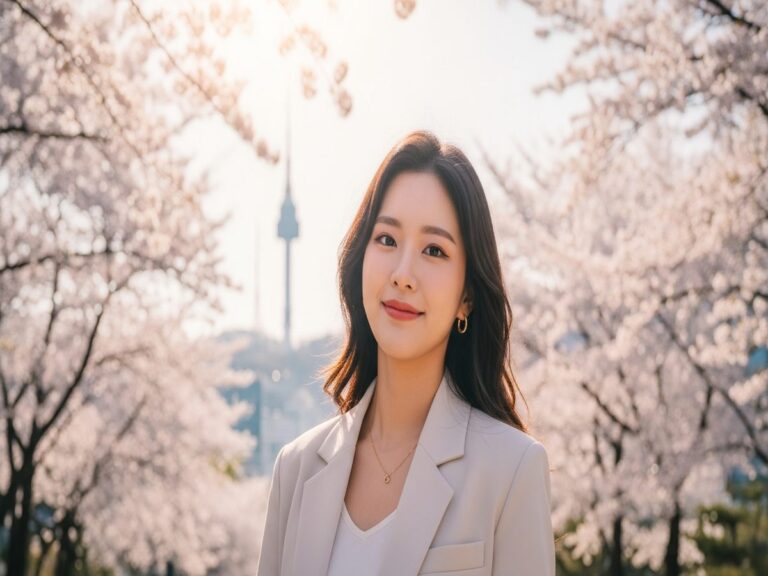
While Namsan Hanok Village itself is a collection of restored Hanok moved from different parts of Seoul, the surrounding areas, particularly near Namsangol Hanok Village and close to Namsan Mountain, also offer a selection of traditional guesthouses. These locations often provide stunning views of Namsan Tower and the city skyline, blending natural beauty with historical architecture. Staying in this vicinity allows for easy access to nature walks on Namsan Mountain while still being connected to major transportation links. The ambiance here tends to be more secluded, offering a deeper sense of retreat.
Beyond the Villages: Hidden Gems
Beyond these well-known enclaves, smaller, charming Hanok stays can be found scattered throughout other parts of Seoul, often tucked away on quiet streets in neighborhoods like Insadong or even Gangnam. These hidden gems provide an element of surprise and often a more intimate experience, allowing guests to discover a piece of traditional Korea in unexpected places. They might be smaller in scale but often compensate with personalized service and a unique story.
Crafting Your Hanok Experience: Practical Tips for a Memorable Stay
To ensure your Hanok stay is as enriching and comfortable as possible, a little preparation goes a long way. Embracing the unique aspects of this traditional accommodation will enhance your appreciation for its charm.
Choosing Your Ideal Hanok
When selecting a Hanok stay, consider your priorities. Do you prefer a bustling, historically rich area like Bukchon, or a more artistic, local vibe like Seochon? Research individual guesthouses, as some offer more modern amenities (like private bathrooms and beds) while others maintain a more strictly traditional setup (shared facilities, sleeping on the floor). Read reviews carefully to gauge the level of comfort, host hospitality, and overall atmosphere. Booking in advance, especially during peak travel seasons, is highly recommended, as popular Hanok stays can fill up quickly.
Embracing the Hanok Lifestyle
A Hanok stay is an opportunity to slow down. Pack comfortable, loose-fitting clothing suitable for sitting on the floor or walking through traditional neighborhoods. Many Hanok guesthouses provide traditional pajamas (hanbok-style) which can add to the experience. Be prepared to remove your shoes before entering the house and often before entering individual rooms, a common Korean custom. The quiet atmosphere is part of the appeal, so be mindful of noise levels, especially in shared spaces or late at night.
Some Hanok stays offer traditional Korean breakfasts, often featuring rice, soup, various side dishes (banchan), and perhaps a local tea. This is a wonderful way to start your day and immerse yourself in local culinary traditions. Many hosts also offer cultural activities such as tea ceremonies, calligraphy lessons, or even cooking classes, providing a deeper insight into Korean customs. Take advantage of these opportunities to enrich your stay.
Remember that while Hanok are beautiful, they are also older structures. Some may have slightly lower ceilings or smaller doorways. Embrace these characteristics as part of the authentic experience. The warmth of the ondol floor is a highlight, so be sure to enjoy it, especially during cooler months. Bringing a good book or a journal can enhance the tranquil atmosphere, allowing for moments of quiet reflection in your private courtyard or cozy room.
Frequently Asked Questions About Hanok Stays
Q: Are Hanok stays suitable for families with children?
A: Many Hanok stays welcome families, but it’s best to check with the specific guesthouse. Some larger Hanok have multiple rooms or shared courtyards that children might enjoy. However, due to the traditional nature and quiet atmosphere, very young or boisterous children might find it challenging, and guests are generally expected to maintain a respectful quiet.
Q: Do Hanok stays have modern amenities like Wi-Fi and air conditioning?
A: Most contemporary Hanok stays are equipped with essential modern amenities such as Wi-Fi, air conditioning (in addition to ondol heating), and often private bathrooms. However, the level of modernization can vary significantly, so it’s always wise to confirm these details when booking if they are important to your comfort.
Q: Is sleeping on the floor comfortable?
A: This is a common concern for first-time guests. Hanok stays provide thick, comfortable mattresses (yo) and bedding for sleeping on the heated floor. Many guests find it surprisingly comfortable and conducive to a good night’s sleep, often citing the warmth of the ondol as a unique benefit. If you have specific back issues, some Hanok may offer rooms with low beds, but the traditional experience involves floor sleeping.
Q: What is the best time of year to experience a Hanok stay?
A: Each season offers a unique charm. Spring and autumn provide pleasant weather for exploring the villages and enjoying the courtyards. Winter offers the cozy warmth of the ondol system, making for a very snug experience. Summer can be warm, but the traditional architecture is designed for good ventilation, and most modern Hanok stays have air conditioning. Ultimately, the “best” time depends on your personal preferences for weather and activities.
Conclusion
As Seoul continues its relentless march into the future, the quiet charm of its Hanok stays offers a vital counterpoint – a space for reflection, cultural immersion, and genuine urban renewal. These traditional homes are more than just accommodations; they are gateways to understanding Korea’s soul, providing an unparalleled opportunity to experience the city’s gentle whisper amidst its vibrant roar. Whether you seek a moment of calm, a deeper connection to history, or simply a unique and beautiful place to rest, a Hanok stay promises a memorable and profoundly enriching experience. We encourage you to step off the beaten path and discover the serene beauty that awaits in Seoul’s traditional heart.
About the Author