The New Frontier: BLACKPINK’s Virtual Reality Extravaganza
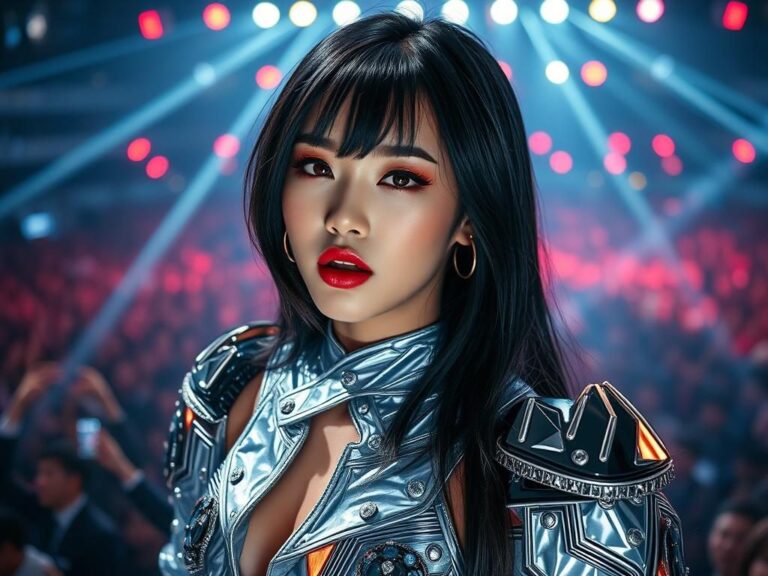
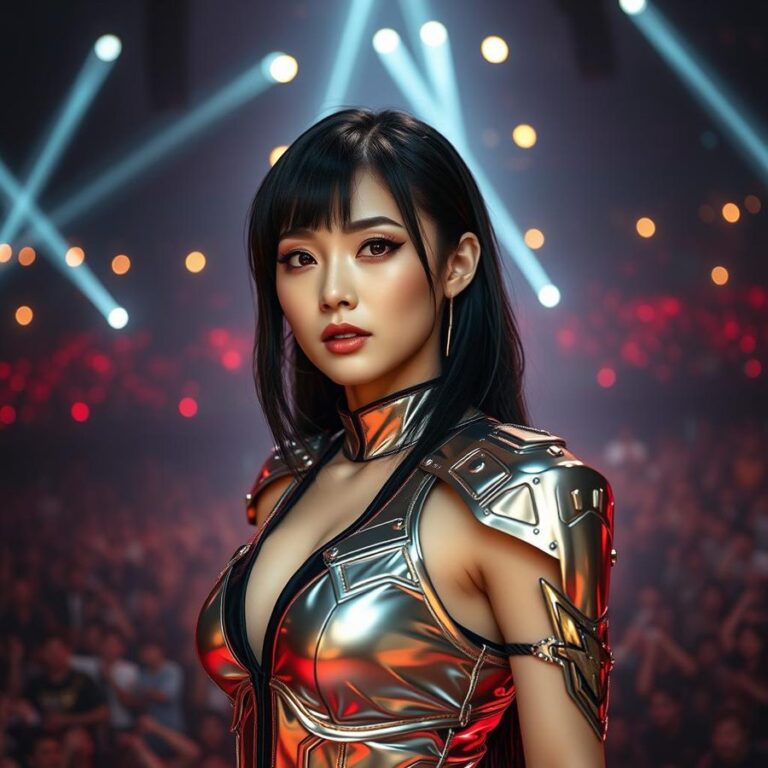
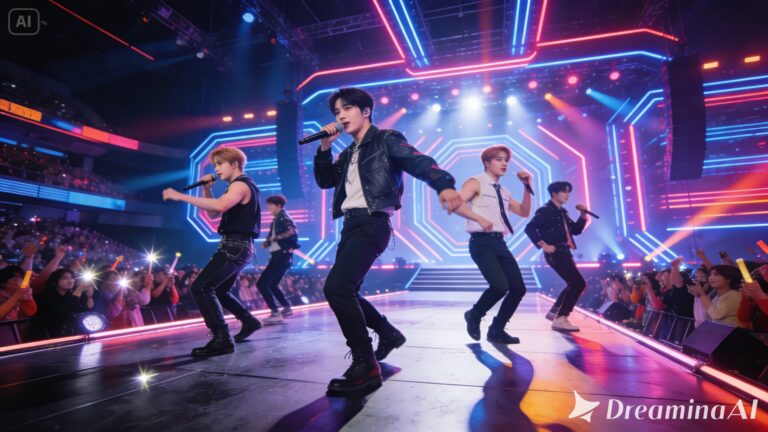
March 2026. This date is already etched into the annals of K-Pop history, right up there with the first time BTS hit number one on the Billboard Hot 100 or when Girls’ Generation dropped “Gee” and changed everything. But March 2026 wasn’t about a comeback or a debut. It was about something entirely different, something that felt like a glimpse into a future we’d only dreamed of. BLACKPINK took the stage in a virtual reality concert, and it wasn’t just a show; it was an event that pulled in over a million live viewers from every corner of the globe. A million! That’s not just a big number; that’s a whole stadium packed to the rafters, multiplied by ten, all watching from their living rooms, bedrooms, maybe even their commutes. It shattered records, absolutely obliterated any previous expectations for digital performances, and honestly, it set a blazing standard that every single artist, K-Pop or otherwise, is going to have to reckon with.
I remember logging in, hands shaking a little, even though I was just sitting on my couch. The hype had been real, the teasers hinting at something revolutionary, but nothing could have truly prepared me for it. Seeing Jisoo, Jennie, Rosé, and Lisa perform with such vivid realism, almost like they were right there in my living room, was a mind-blowing experience. I’ve been to three actual K-Pop concerts – the first one was BTS back in 2017, then SEVENTEEN in 2019, and most recently Stray Kids last year – and each one was incredible, a sensory overload of light sticks, fanchants, and pure, unadulterated energy. But this… this BLACKPINK VR concert felt like a whole new dimension. It wasn’t just a livestream; it was an immersion. The way the stage shifted, the dynamic camera angles that put you front and center one moment, then soaring above the crowd the next, it was pure magic. It felt like they were pushing the boundaries of what a concert even *is*, taking something inherently physical and translating its raw energy into a digital space without losing any of the impact. I found myself reaching out, almost expecting to touch the light particles that seemed to dance just inches from my face, a testament to how utterly convincing the experience was. The precision of the choreography, the flawless vocals, it was all there, amplified by the sheer novelty of the format. It made me wonder what else was possible, what other impossible dreams K-Pop was about to make real for us fans.
For a fan like me, who’s been stanning since 2012, watching the industry evolve has been a journey in itself. From grainy YouTube practice videos to highly produced MVs, from small fanmeets to sold-out world tours, K-Pop has always been about pushing boundaries. But this VR concert felt different. It wasn’t just an incremental step; it was a giant leap. It highlighted something truly fundamental about K-Pop’s meteoric rise: it’s always been about innovation, about relentlessly creativity from its artists and the visionary minds behind the scenes. This wasn’t just about a new song or a rookie group making their debut; it was about exploring a landscape where technology is as integral to the experience as the killer beats and the angelic voices we all obsess over. The industry is clearly on the cusp of groundbreaking changes, and BLACKPINK just threw open the doors to show us exactly what that means. We’re talking about a future where tech and creativity collide in the most spectacular ways, where fans are going to be treated to some genuinely jaw-dropping experiences. Honestly, if 2026 is starting with this kind of energy, I can’t even imagine what 2030 will look like. My photocard collection might need a whole new dimension to store all the memories we’re about to make.
Beyond the Screen: How VR is Reshaping Concert Culture
Picture this: it’s still 2026, and you’re about to attend a concert. But instead of fighting traffic, standing in line for hours, or even just queuing up online for a livestream, you’re chilling on your couch, maybe in your pajamas. You slip on your VR headset, and boom – your favorite K-Pop idols are performing right in front of you, closer than you’d ever get at an actual venue, no matter how much you paid for VIP. This isn’t some far-off science fiction fantasy; this is the reality BLACKPINK has not only pioneered but solidified as a legitimate, viable, and frankly, absolutely exhilarating new way to experience live music. Their March 2026 virtual reality concert didn’t just draw a million fans; it pulled them into a digital arena where the energy was palpable, even if the physical bodies weren’t all in the same room. This isn’t just a fleeting trend; it’s the new frontier, a permanent fixture in the landscape of music entertainment, and I’m so here for it.
The beauty of this new era isn’t just the “wow” factor; it’s the accessibility. Think about it: how many times have you been absolutely devastated because your bias group isn’t coming to your city, or tickets sold out in literally 30 seconds, or the travel costs for a world tour date were just too much? I’ve felt that sting more times than I can count. But now, thanks to companies like HYBE and SM Entertainment pouring serious resources, like, *serious* resources, into VR tech, these concerts are more interactive and inclusive than ever. We’re talking about being able to pick your own camera angles, switching from a wide stage shot to a close-up of your bias effortlessly. You can interact with virtual avatars of your idols, maybe even send them virtual hearts that float across the digital stage. It’s like living in a dream, but you’re wide awake and fully immersed. It truly breaks down the geographical barriers that have always limited live music experiences. Fans from all corners of the globe can attend without the airfare, without the hotel bookings, without the visa struggles. It creates this incredible, borderless community of fans who all share the same heartbeat for their idols, simultaneously witnessing the magic.
What most people miss about this shift is that it’s not just about replicating a physical concert digitally. It’s about creating something *new*. The boundary between the audience and the performer, which used to be so stark and fixed, is blurring in these VR spaces. Imagine fan interactions that are directly integrated into the performance, where your choices as a viewer subtly influence what happens next, or where your avatar can stand alongside thousands of others, creating a truly communal experience that transcends physical distance. Every show becomes unique, almost personalized, without losing the collective energy that makes K-Pop concerts so special. Honestly, this level of innovation makes me so proud to be a K-Pop fan. Our idols and their companies aren’t just following trends; they’re setting them, pushing the entire global music industry forward.
Isn’t it incredible to think how far we’ve come from watching grainy fan-cam videos online, hoping to catch a glimpse of our favorite member? The days of waiting outside venues for hours to get a good spot are still absolutely there for the die-hards, myself included, because nothing truly replaces that raw, in-person energy. But now, everyone can be front row, center stage, anytime they want. It’s not an either/or situation anymore; it’s an expansion, an evolution. We’re getting the best of both worlds, and that’s a whole mood. The future of K-Pop concerts isn’t just about bigger venues or louder fanchants; it’s about infinite possibilities, about bringing idols closer to fans than ever before, no matter where they are in the world. It’s about ensuring that the love and passion that fuels this industry can reach absolutely everyone, everywhere.
The AI Revolution in K-Pop Production
While we’re all still buzzing from the virtual concert experience, there’s another, quieter revolution happening behind the scenes, one that’s going to fundamentally change the sound of K-Pop as we know it: Artificial Intelligence. Music production is undergoing a massive transformation, and AI is quickly becoming the conductor, the unsung hero, the secret weapon in the studio. We’re talking about something way beyond simple auto-tune or beat-matching software. This is about AI that can compose, arrange, and even help craft melodies that resonate deep within our souls. YG Entertainment, always one to be at the forefront of cool, edgy tech, has teamed up with some serious tech giants to develop AI composers that are redefining the entire creative process. And let me tell you, this isn’t just some fancy, niche tech gimmick; AI is now a crucial, indispensable part of making music that not only sounds incredible but also connects with millions worldwide.
Imagine this: an AI system that doesn’t just generate a random melody, but one that has analyzed hundreds of thousands of hit songs across various genres and cultures, understanding the nuances of what makes a track catchy, emotionally resonant, or undeniably viral. These AI composers aren’t just spitting out generic tunes; they’re assisting human producers and artists in crafting complex, innovative soundscapes. They can generate intricate harmonies, suggest unexpected chord progressions, or even create entirely new instrumental textures that would take a human composer weeks to perfect. This isn’t about replacing human talent, because let’s be real, nothing can replace the raw emotion and unique perspective an artist brings. Instead, it’s about giving our idols and their producers an incredibly powerful tool, a co-creator that can accelerate their workflow, expand their sonic palette, and push the boundaries of musical creativity even further. It’s like having an infinite brainstorming partner, capable of exploring countless musical avenues in mere seconds.
And it goes beyond just composition. AI is also killing it with trend analysis. Think about complex algorithms that can predict what kind of sound, what kind of beat, what kind of lyrical theme is going to be a hit with global audiences. These AI capabilities let producers understand market trends with an almost supernatural precision, helping them craft songs that have a higher chance of resonating worldwide. It’s not about forcing creativity into a box; it’s about providing data-driven insights that can inform and inspire artists, helping them make strategic decisions without compromising their artistic vision. This means less guesswork, more informed choices, and ultimately, more bops for us to obsess over. It’s a game-changer for rookie groups trying to find their unique sound and for established artists looking to keep their music fresh and relevant in an ever-evolving global market. Honestly, if it means more fire tracks from my faves, I’m all for it.
The integration of AI isn’t just about efficiency or predicting hits; it’s about unlocking new realms of sound. It allows for experimentation on a scale previously unimaginable, letting artists explore genres and fusions that might have seemed too complex or time-consuming to attempt before. This opens up so many possibilities for diverse music, for tracks that blend traditional Korean instruments with futuristic electronic beats, or for songs that seamlessly fuse elements of rock, R&B, and hip-hop in ways we haven’t heard yet. The future of K-Pop’s sound is going to be incredibly rich, diverse, and constantly evolving, all thanks to the intelligent machines working alongside the brilliant human minds. It’s truly an exciting time to be a K-Pop fan, knowing that every new comeback could potentially feature sounds that are literally groundbreaking, crafted with the help of technology that feels like something out of a futuristic movie. The synergy between human ingenuity and artificial intelligence is creating a golden age for K-Pop music, where the only limit is imagination.
The Evolution of Fandom and the Industry Itself
The Blurring Lines: Idols and Avatars
With all this talk of VR concerts and AI-composed tracks, it’s natural to wonder how this will affect the very core of K-Pop: the idols themselves and our relationship with them. We’re already seeing the rise of virtual idols, like aespa’s “æ” members, who exist in a digital realm alongside their human counterparts. This concept is only going to become more prevalent and more sophisticated by 2026. Imagine not just virtual avatars of your favorite idols performing, but entirely AI-generated idols who can interact with fans, release music, and even “live” out storylines in ways that human idols simply can’t due to physical limitations or privacy concerns. The blurring boundary between the audience and the performer extends not just to the concert experience, but to the very identity of the idol itself. This creates new forms of connection, new ways to engage with the narratives and artistry that K-Pop is so famous for. Will we stan an AI idol with the same fervor as a human one? I honestly don’t know, but I’m ready to find out. The depth of interaction could be incredible, allowing for personalized content and experiences that are tailored to individual fan preferences, something truly revolutionary.
This isn’t to say that human idols are going anywhere, absolutely not. What it means is an expansion of the K-Pop universe, offering fans more options, more ways to engage, and more layers to explore. The human connection will always be paramount for many of us – there’s nothing quite like seeing your bias cry happy tears at an awards show, or reading their handwritten letters to fans. But virtual idols and AI-enhanced avatars can fill different niches, perhaps taking on more experimental concepts or maintaining a consistent presence that human idols, with their demanding schedules and need for rest, simply can’t. They offer a unique avenue for storytelling and world-building, allowing for narratives that span across music, games, and interactive content in ways that are truly groundbreaking. It’s a testament to the industry’s willingness to constantly innovate, to always seek out what’s next, pushing the boundaries of what entertainment means. This dual existence, where human and virtual idols coexist and even collaborate, feels like the natural evolution of an industry that thrives on fantasy and aspirational aesthetics.
The Global Echo: More Than Just Music
K-Pop has always been more than just music; it’s a full-blown cultural phenomenon. It’s fashion, it’s food, it’s language, it’s dance, it’s storytelling, it’s community. And technology, especially the kind we’re talking about for 2026, is only going to help spread this influence even further and deeper. We’ll see K-Pop companies leveraging these advancements to create more immersive fan interaction platforms, offering highly personalized content that goes beyond just music videos and behind-the-scenes clips. Imagine AI-driven language learning apps taught by your bias’s virtual avatar, or VR experiences that let you tour the streets of Seoul where your favorite group filmed their latest comeback. The possibilities are endless, and they all point to an even richer, more integrated K-culture experience for fans worldwide.
The future of K-Pop in 2026 is bright, vibrant, and undeniably digital. It’s about leveraging every technological advancement to enhance the artistry, expand the reach, and deepen the connection between idols and their fans. From mind-blowing virtual concerts that redefine live music to AI-powered music production that pushes sonic boundaries, and the evolving landscape of idol-fan interactions, K-Pop is not just adapting to the future; it’s actively shaping it. As a fan who’s collected more photocards than I probably should admit and stood in line for hours just to get a glimpse of my idols, I’m absolutely stoked for what’s coming. The journey from 2012 to now has been wild, but 2026 feels like the beginning of an entirely new chapter, one filled with even more innovation, creativity, and unforgettable moments. Get ready, K-Pop stans, because the best is truly yet to come. We’re not just talking about music anymore; we’re talking about a whole new universe unfolding before our eyes, and it’s going to be glorious.
About the Author